
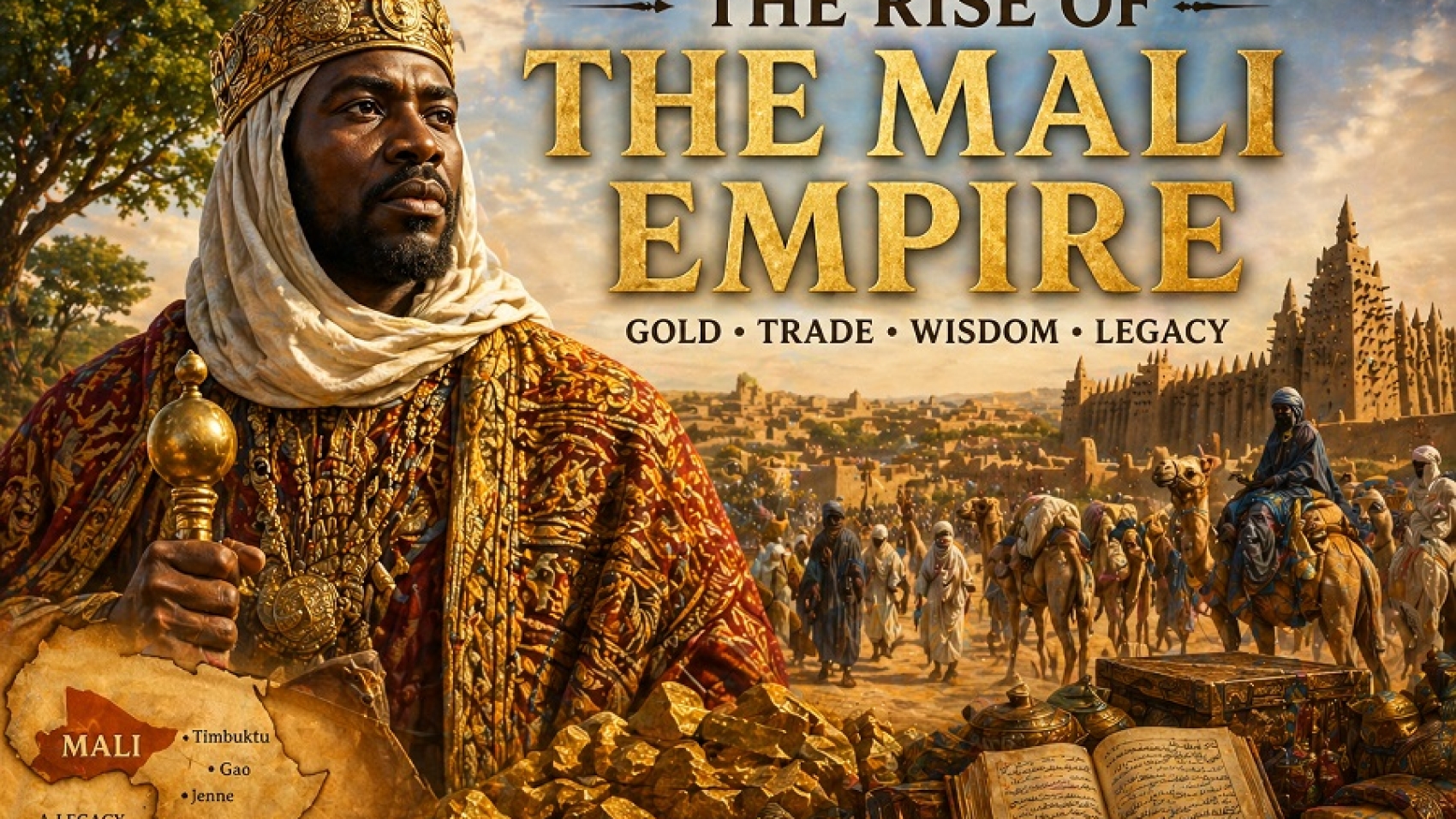
The rise of the mali empire

The Rise of the Mali Empire: How Gold, Strategy, and Vision Built a West African Giant

The story of the Mali Empire is not just history—it’s a thunderclap across time. Rising from the savannas of West Africa in the 13th century, Mali became one of the most powerful and wealthy empires the world had ever seen. Built on gold, strengthened by trade, and guided by visionary leadership, its ascent reshaped African and global history.

The Fall of Ghana and the Seeds of Mali

Before Mali rose, the region was dominated by the Ghana Empire. But by the early 1200s, Ghana had weakened due to internal strife and external pressures. This power vacuum created fertile ground for a new force to emerge.

Small Mandinka kingdoms began to stir, like embers waiting for a spark. That spark came in the form of a determined leader who would change everything.

Sundiata Keita: The Lion King of Mali
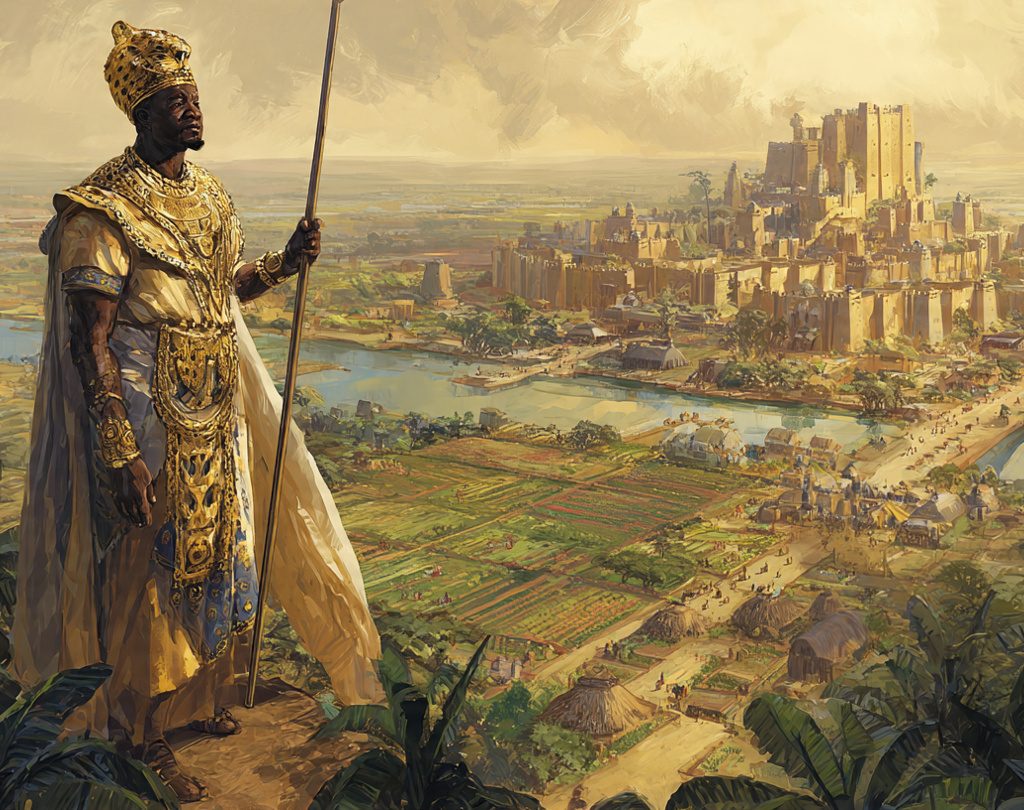
At the heart of Mali’s rise stands Sundiata Keita, a figure wrapped in legend and history. Once an exiled prince, Sundiata returned to reclaim his destiny and unite the Mandinka people.

His defining moment came at the Battle of Kirina around 1235, where he defeated the powerful Sosso king, Sumanguru Kanté. This victory didn’t just win a war; it birthed an empire.

Sundiata then established a centralized government, promoted agriculture, and laid the foundation for a stable and prosperous state. His leadership turned scattered territories into a unified force.

Gold: The Empire’s Beating Heart
landscape-illustration-of-an-open-ornate-bag-of-go

If Mali had a heartbeat, it pulsed with gold.

The empire controlled some of the richest gold mines in the world, particularly in regions like Bambuk and Bure. At a time when gold was the backbone of global trade, Mali became a magnet for merchants from North Africa and beyond.

Gold flowed out. Wealth flowed in.

But Mali wasn’t reckless. The rulers carefully regulated gold supply, maintaining its value and ensuring long-term prosperity.

Trade Routes and Economic Power

Mali’s strategic location gave it control over major trans-Saharan trade routes. Caravans loaded with salt, gold, ivory, and textiles crossed vast deserts, linking West Africa to the Mediterranean and the Middle East.

Cities like Timbuktu and Gao blossomed into bustling centers of commerce and learning. These weren’t just markets—they were melting pots of culture, ideas, and innovation.

Mansa Musa: The Emperor Who Amazed the World
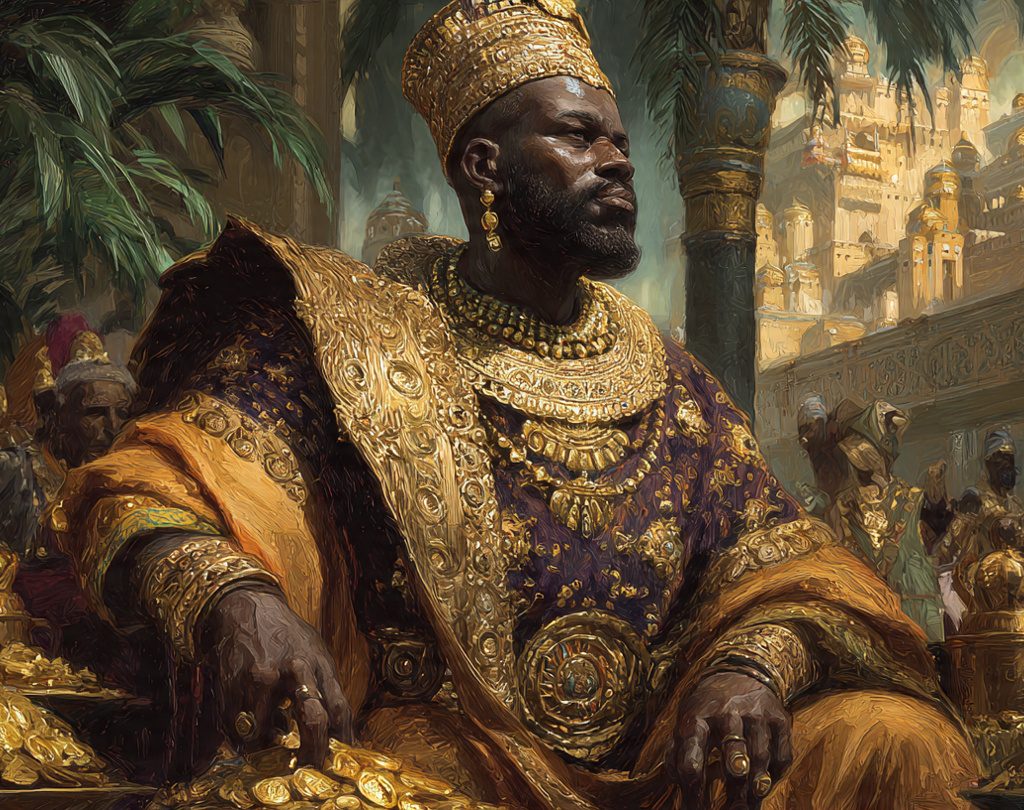
landscape-illustration-of-mansa-musa-the-wealthies

No discussion of Mali’s rise is complete without Mansa Musa, arguably the richest man in history.

His famous pilgrimage to Mecca in 1324 turned heads across continents. Traveling with a caravan of thousands and distributing gold generously along the way, he unintentionally caused inflation in regions like Egypt.

But Musa’s legacy goes beyond wealth. He invested heavily in education, architecture, and religion. Under his rule, Timbuktu became a renowned center of Islamic scholarship, attracting scholars from across the world.

Governance and Stability

Mali’s success wasn’t just luck or resources—it was structure.

The empire was divided into provinces, each governed by appointed officials who reported to the emperor. This system ensured order across vast territories.

Local leaders retained some authority, creating a balance between central control and regional autonomy. It was governance with both backbone and flexibility.

Cultural and Intellectual Flourishing
landscape-illustration-of-timbuktus-sankore-univer

As Mali grew richer, it also grew wiser.

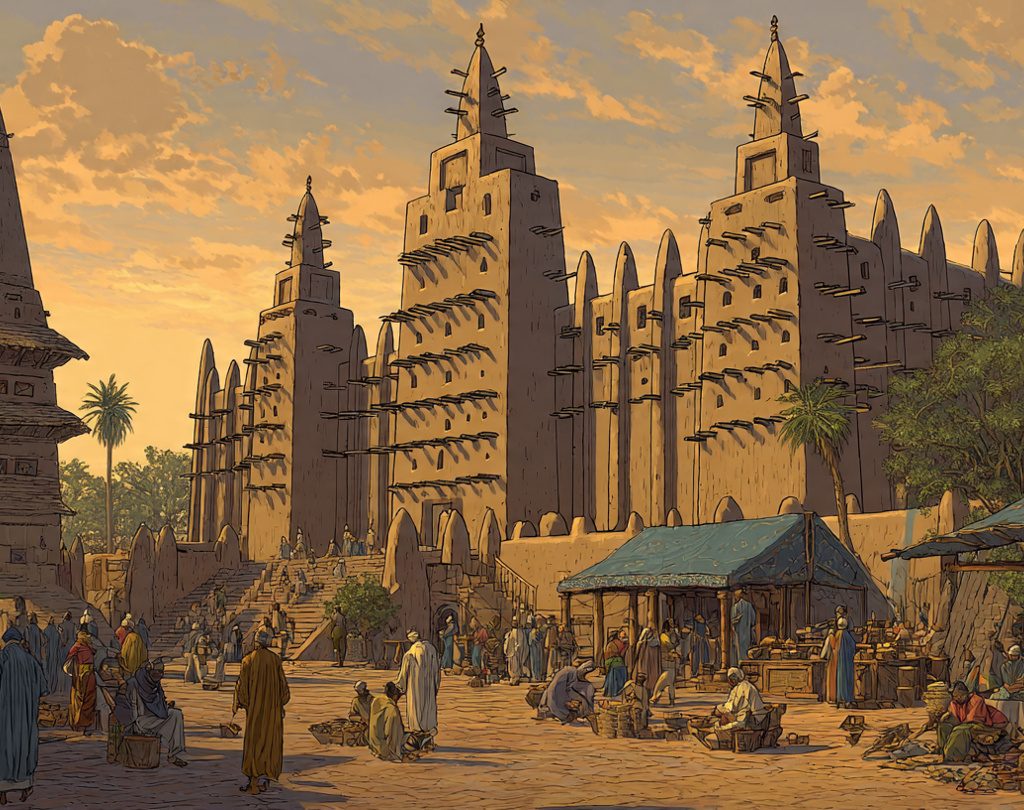
Islam played a significant role in shaping the empire’s culture, especially among the elite. Mosques, libraries, and universities flourished. Timbuktu’s Sankore University became one of the most respected centers of learning in the medieval world.

Scholars studied law, astronomy, mathematics, and literature—turning Mali into a beacon of knowledge.

The rise of the Mali Empire is a story of transformation—of how leadership, resources, and strategic thinking can turn a fragmented region into a global powerhouse.

From Sundiata’s resilience to Mansa Musa’s dazzling influence, Mali didn’t just rise—it roared. Its legacy still echoes today, reminding the world that Africa has long been a cradle of power, wealth, and wisdom.
616197386_122190818768472918_639749463879103716_n

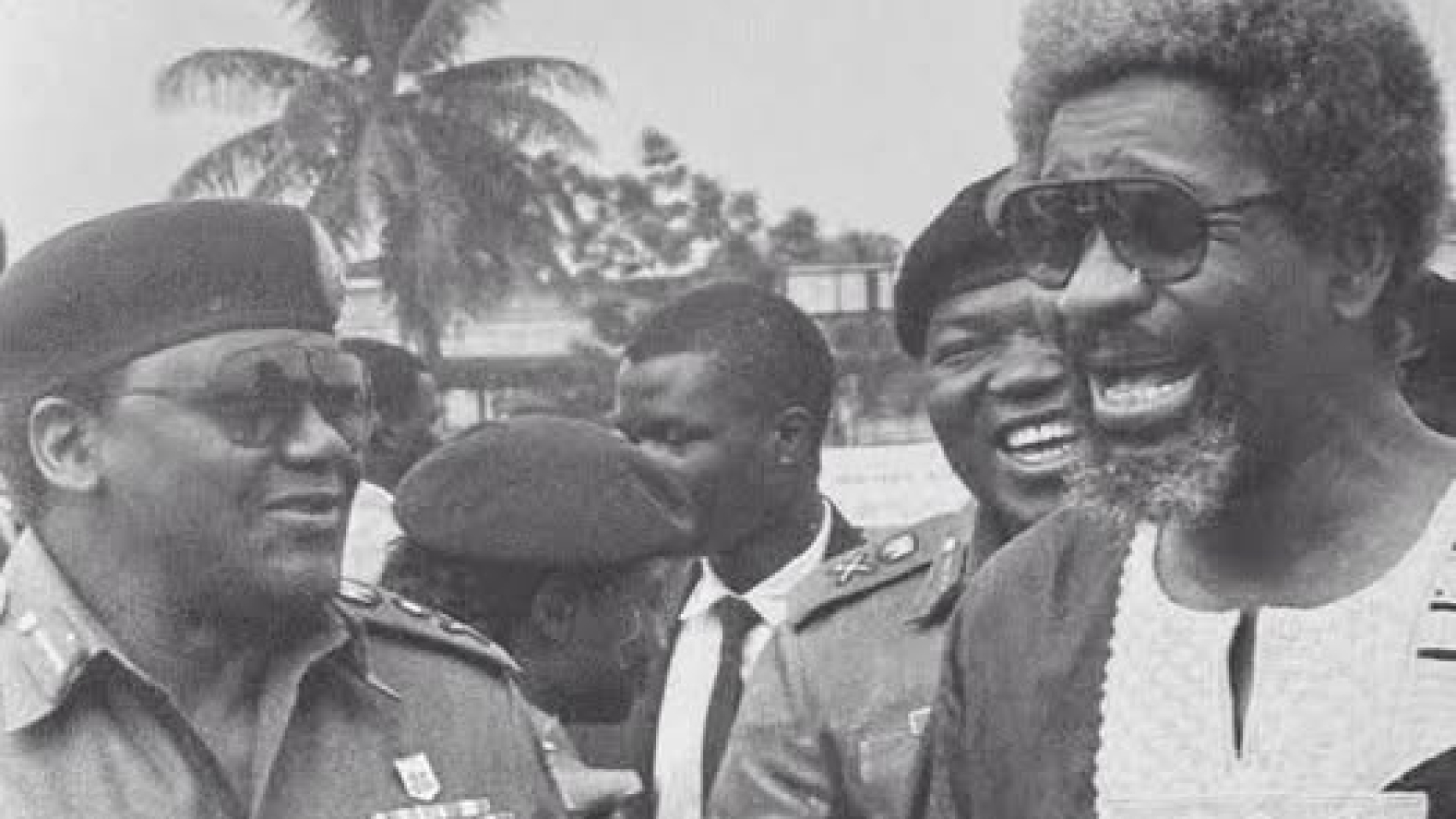
Did you know? -Prof. Wole Soyinka

On August 8, 1994, Prof. Wole Soyinka, Nobel laureate and pro-democracy activist, went to the Federal High Court in Lagos asking the Court to declare the General Sani Abacha government illegal.

He was already an individual of particular concern to the Abacha government because of his courage to speak out and oppose the administration’s actions.

In November 1994, Professor Soyinka fled into exile for ‘political reasons’, on grounds that his life is being thr3eatēned.

Credit: Ethnic African Stories

643806139_755305577659429_5807341306159827381_n

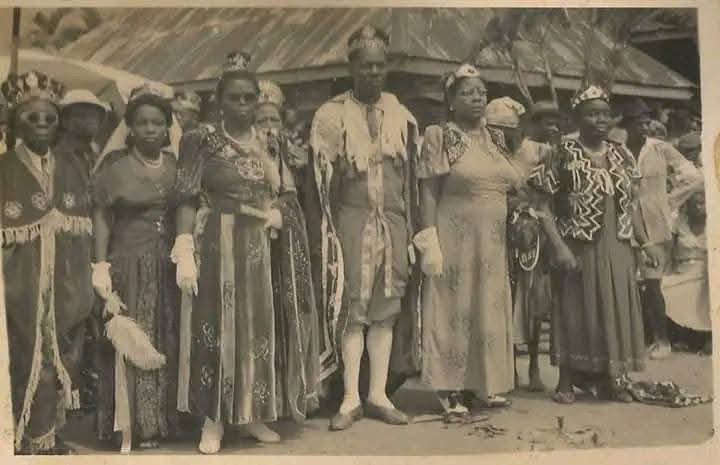
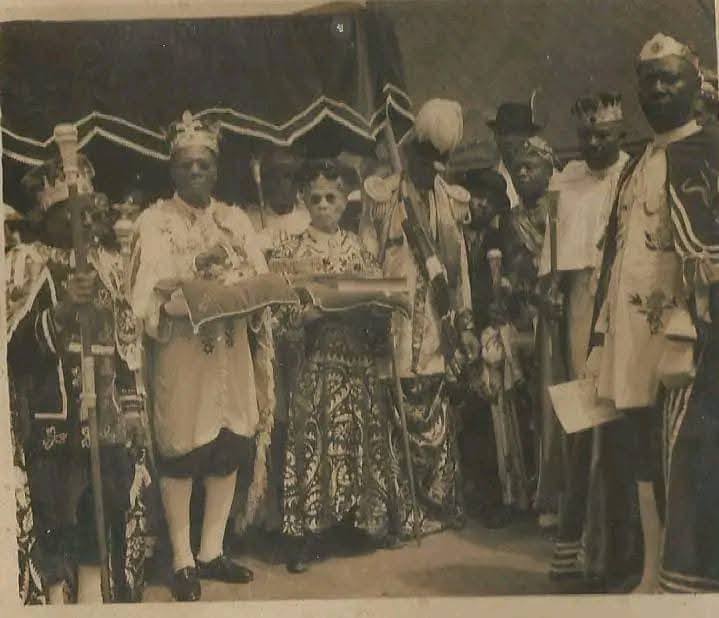
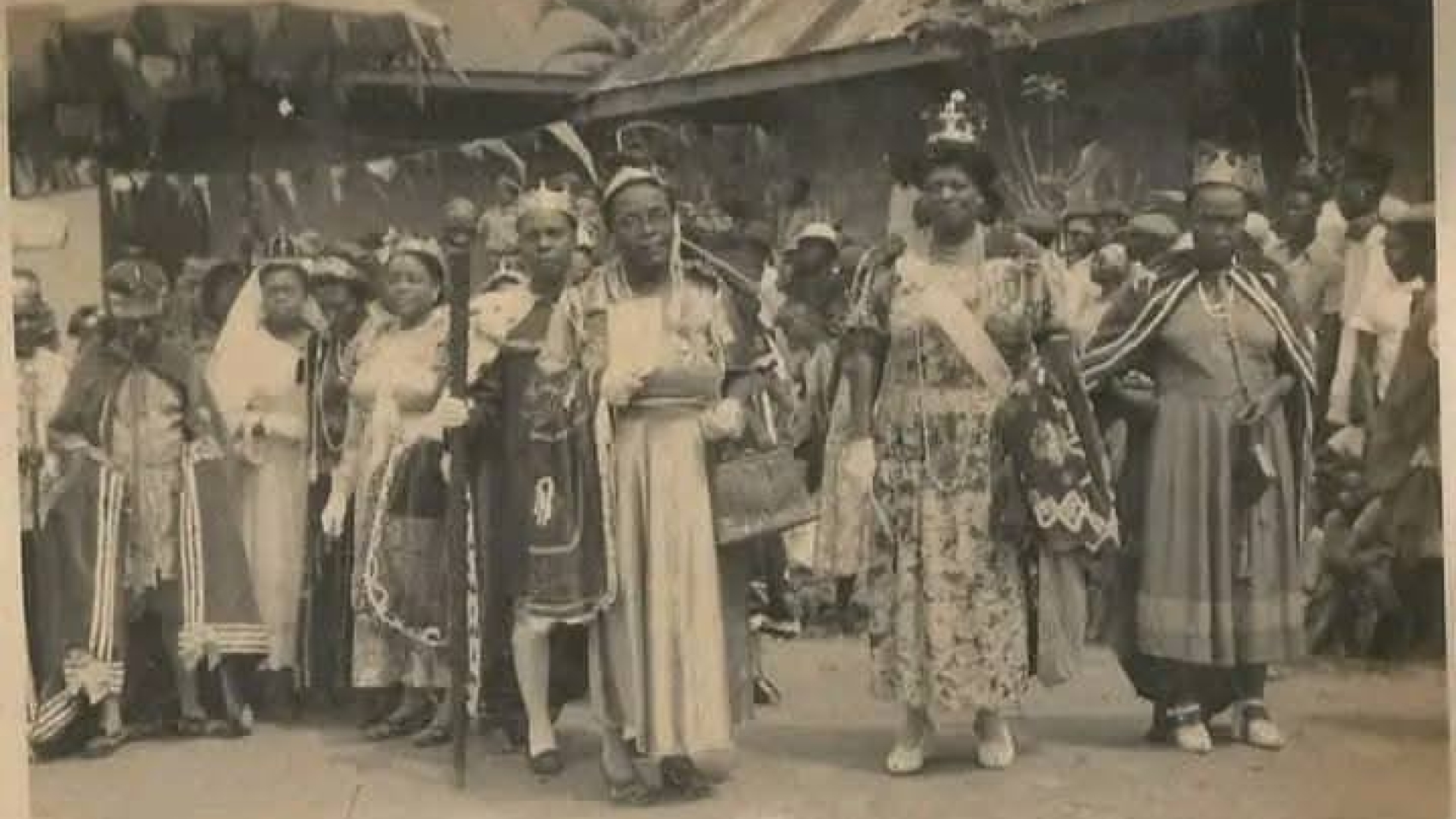
The Story of Edidem Edem Asibong Ekpo Effiom Okoho (Archibong V), Obong of Calabar

Edidem Edem Asibong Ekpo Effiom Okoho, also known as Archibong V, was the Obong of Calabar from 1948 to 1961. According to Chief Orok-Orok Effiom Duke’s book, “20th Century Famous Kings and Eminent Persons of Calabar”, he’s one of the longest-serving rulers in Efik history.

Born around 1872, Archibong V was the 55th Edidem of the Efiks and the 18th Obong of Calabar. He was the fifth son of King Archibong III, who was the first Efik monarch to have a Westminster-style coronation.

Before becoming Obong, Archibong V was Etubom of Archibong House and a Native Court Warrant Chief. He played a key role in reuniting the Efik Kingdom, which included Creek Town, Duke Town, Old Town, Henshaw Town, and Cobham Town.

His coronation in 1950 marked a new era for the Efiks, nullifying the colonial Native Rule Proclamation of 1902. He was a strong supporter of the COR movement for self-determination, which put him at odds with the NCNC government.

Archibong V’s reign was notable for Queen Elizabeth II’s visit to Calabar in 1956. Despite his contributions, he was denied national honors by the government, which was awarded posthumously in 1964.

Rewritten by Efik Heritage Foundation

Source: “20th Century Famous Kings and Eminent Persons of Calabar” by Chief Orok-Orok Effiom Duke, as shared by Richard Duke.

Olusegun Obasanjo

Olusegun Obasanjo at Howard University in 1977: A Diplomatic and Symbolic Encounter

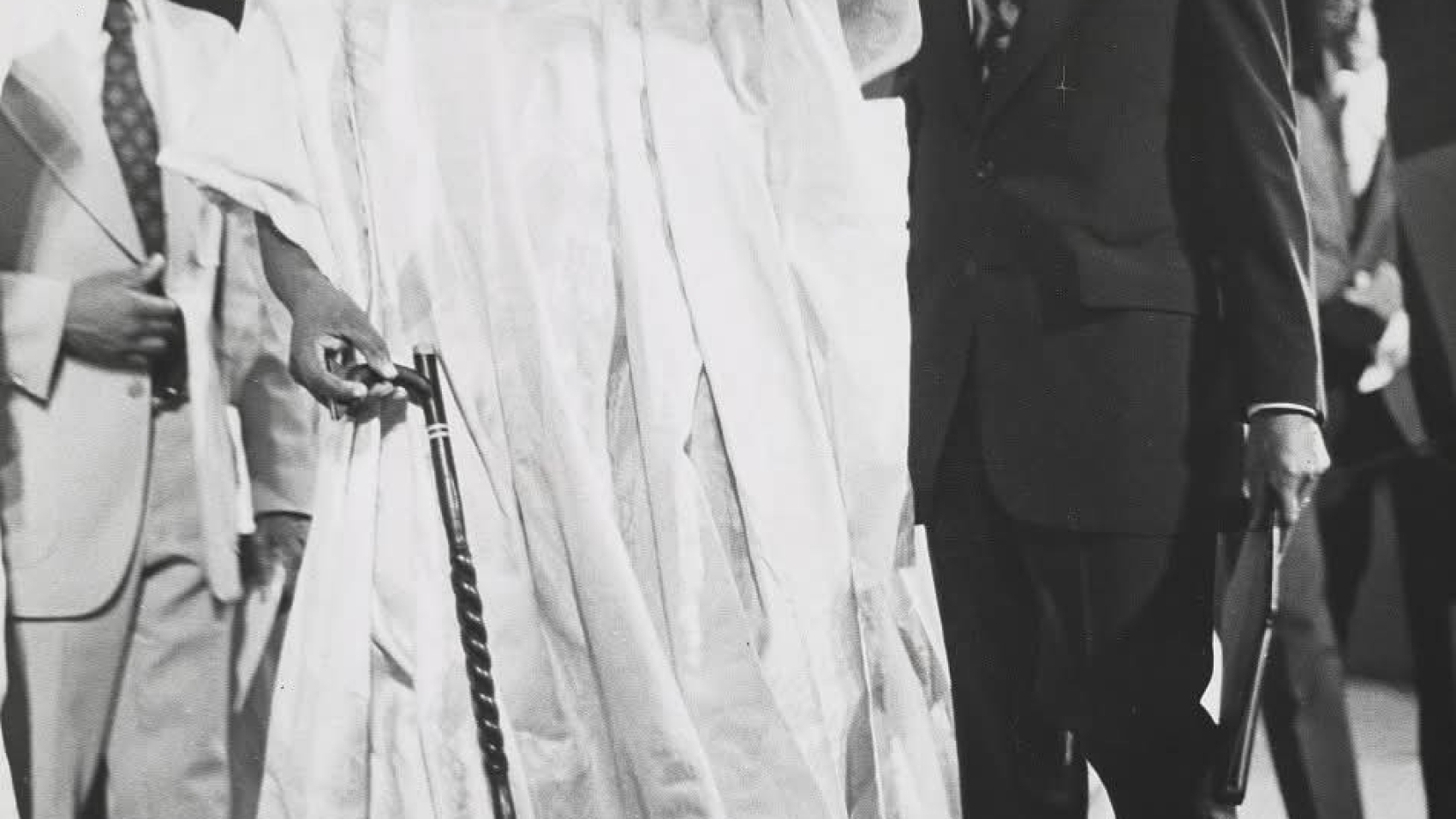
This photograph, taken at Howard University, Washington, D.C., in September 1977, captures a significant moment featuring Nigerian Head of State General Olusegun Matthew Okikiola Aremu Obasanjo alongside Howard University President James E. Cheek. More than a routine meeting, the image reflects the growing connections between postcolonial African leadership and major African American institutions during the 1970s, a period when questions of Black identity, global solidarity, education, and diplomacy were deeply intertwined.

At the time the photograph was taken, Olusegun Obasanjo was serving as Nigeria’s military Head of State, a position he held from 13 February 1976 to 1 October 1979 following the assassination of General Murtala Muhammed. Obasanjo’s administration is widely remembered as a transitional one. Although he was a military ruler, he distinguished himself by supervising a return to civilian government and, in 1979, handing over power to an elected president, Alhaji Shehu Shagari. This made him one of the few African military leaders of his era to voluntarily transfer power to a civilian administration, a fact that gave him considerable international attention and respect.

His presence at Howard University in 1977, therefore, carried both political and symbolic weight. Howard, one of the most prestigious historically Black universities in the United States, has long served as a centre of Black intellectual life, leadership, and international exchange. For an African head of state to be received there was not simply ceremonial. It represented the importance of dialogue between Africa and the African diaspora at a time when many African nations were still defining their post-independence identities and African American institutions were increasingly engaging with global Black struggles and aspirations.

Standing beside Obasanjo in the image is Dr James Edward Cheek, who served as president of Howard University from 1969 to 1989. Cheek was an influential educator and administrator whose presidency spanned a crucial period in the university’s history. Under his leadership, Howard strengthened its academic profile, expanded its global outlook, and became an even more visible platform for conversations about Black empowerment, higher education, and international affairs. His meeting with Obasanjo reflected Howard’s role not only as an American university, but as an intellectual crossroads for leaders across Africa and the diaspora.

The timing of the image is also important. The late 1970s were a period in which Nigeria was becoming increasingly prominent on the African continent and internationally. Flush with oil wealth and newly assertive in foreign affairs, Nigeria presented itself as a major African power.

The country was active in anti-colonial and anti-apartheid causes and sought to strengthen its voice within Africa and the wider Black world.

Obasanjo’s visit to an institution like Howard thus aligned with Nigeria’s broader diplomatic posture of leadership, influence, and Pan-African engagement.

Seen in this context, the photograph represents more than an official courtesy call. It is a visual record of a moment when African state power and African American institutional prestige met on shared symbolic ground.

Howard University represented scholarship, Black advancement, and diasporic leadership. Obasanjo, as Nigeria’s ruler, represented the authority and ambitions of one of Africa’s largest and most influential nations. Their meeting suggested mutual recognition: the recognition by African leaders of the importance of Black institutions in the United States, and the recognition by those institutions of Africa’s central place in global Black history and politics.

Photographs such as this one are valuable because they preserve the quiet but meaningful encounters that formal histories sometimes overlook. They remind us that diplomacy is not shaped only in presidential palaces, foreign ministries, or summit halls, but also in universities, lecture spaces, and cultural institutions. Howard University, in particular, has often been a site where politics, scholarship, and symbolic representation meet. Obasanjo’s appearance there in 1977 fits into that longer tradition.

Today, the image stands as an important historical artifact of Nigeria–diaspora relations, Black internationalism, and the political culture of the 1970s. It captures two prominent figures from different but connected worlds: one, a Nigerian military ruler overseeing a national transition; the other, a leading African American university president guiding one of the world’s most important Black educational institutions. Together, they represent a moment of contact between Africa and the diaspora that was both diplomatic and deeply historical.

Source: Smithsonian National Museum of African American History and Culture, Gift of Milton Williams Archives, 2011.15.38.