

When it comes to Nigerian cuisine, few dishes carry the earthy prestige, cultural depth, and unforgettable flavor of Afang Soup. Thick, aromatic, deeply nourishing, and loaded with leafy goodness, Afang soup is one of the crown jewels of Southern Nigerian cooking. It is the kind of meal that enters a room before the bowl does. The scent alone can wake ancient appetites.
Popular among the Efik and Ibibio people of Akwa Ibom and Cross River States, Afang soup has traveled far beyond its roots. Today, it is enjoyed across Nigeria and among African communities around the world. Whether served at lavish celebrations, Sunday family gatherings, or roadside bukas bubbling with giant pots of soup, Afang remains a beloved delicacy with a reputation for richness and satisfaction.
The History of Afang Soup
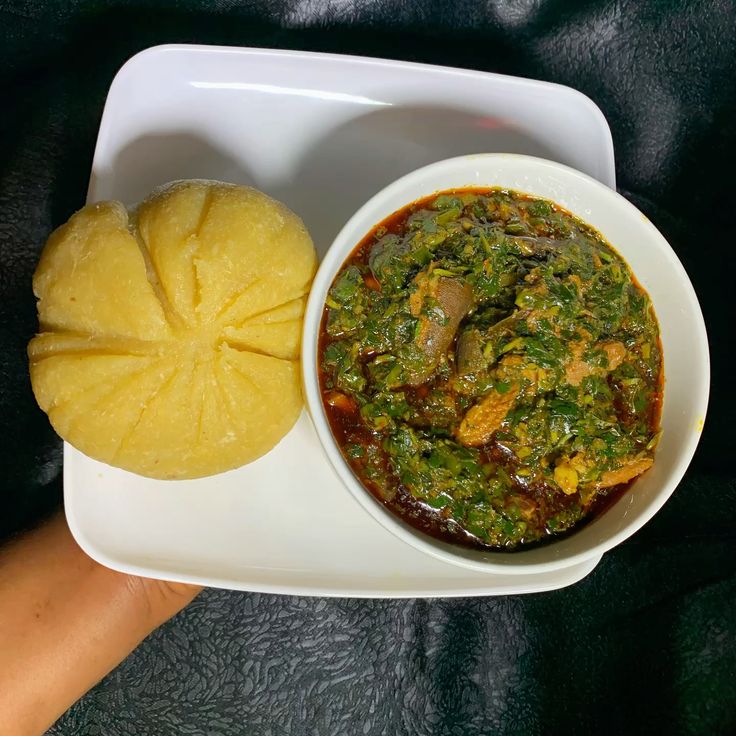
The story of Afang soup begins in the coastal regions of Southern Nigeria, particularly among the Efik and Ibibio ethnic groups. Traditionally, the soup was prepared using locally harvested vegetables, dried fish, meat, periwinkles, and palm oil. It reflected the agricultural abundance and fishing culture of the Niger Delta region.
The name “Afang” comes from the wild Afang leaves, known botanically as Gnetum africanum. These dark green leaves grow naturally in tropical forests and are prized not only for their flavor but also for their nutritional value. In some regions, the leaves are called Okazi or Ukazi.
Historically, Afang soup was considered a luxurious meal because of the number of ingredients required. Families often prepared it during important ceremonies, weddings, traditional festivals, and special occasions. Over time, the soup evolved into a national favorite, especially because of its bold combination of seafood, assorted meats, and vegetables.
Today, Afang soup stands proudly among iconic Nigerian dishes such as Egusi Soup, Banga Soup, and Pounded Yam. Its appeal lies in its intense flavor profile, nutritional richness, and ability to pair perfectly with popular swallows like garri, fufu, semovita, and pounded yam.
Why Afang Soup Is So Popular
Afang soup is not merely food. It is an edible symphony. The slightly bitter taste of the Afang leaves dances beautifully with the softness of waterleaf, while palm oil adds a velvety depth. Add smoked fish, stockfish, crayfish, and assorted meats, and the result becomes a glorious storm of flavor.
Another reason for its popularity is its nutritional value. Afang leaves are rich in fiber, iron, calcium, vitamins, and antioxidants. Waterleaf adds hydration and softness to the soup, while proteins from fish and meat make it highly filling and energy-rich.
In many Nigerian homes, Afang soup is considered both comfort food and prestige food. A steaming bowl of Afang beside soft pounded yam can silence an entire dining table except for the occasional satisfied sigh.
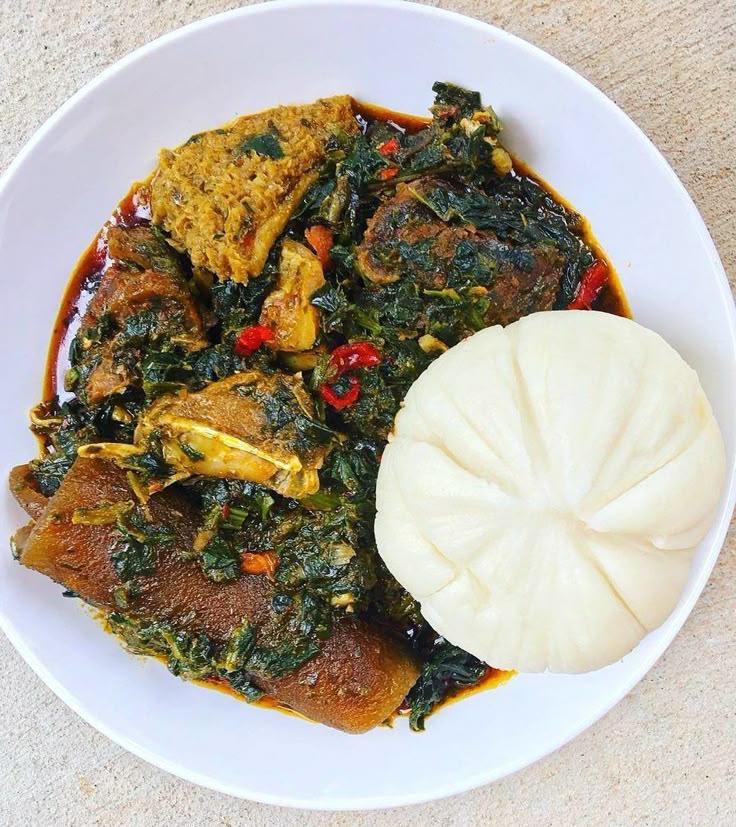
Ingredients Needed for Afang Soup
To prepare a delicious pot of Afang soup, you will need the following ingredients:
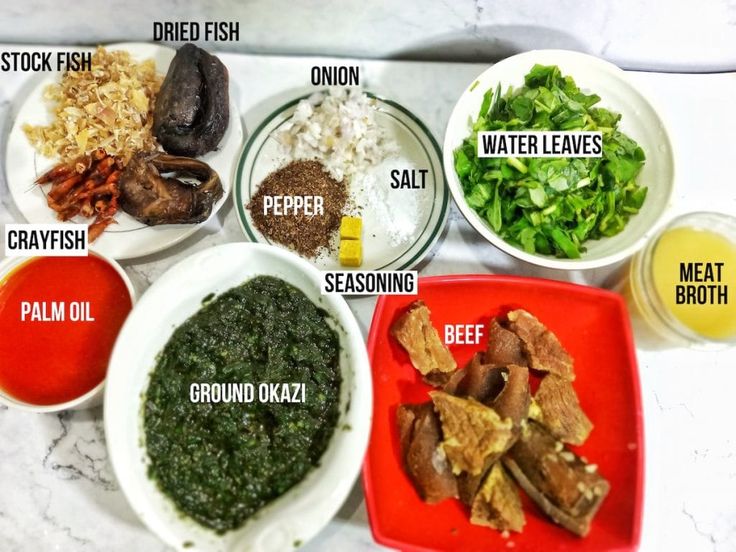
- 2 cups sliced Afang leaves (Okazi leaves)
- 4 cups chopped waterleaf
- Assorted meat (beef, shaki, cow skin, goat meat)
- Smoked fish
- Stockfish
- Dry fish
- Periwinkles (optional)
- Crayfish
- Scotch bonnet peppers
- Palm oil
- Seasoning cubes
- Salt
- Onions
- Meat stock or water
The beauty of Afang soup lies in its flexibility. Different families add their own signature touches. Some prefer extra seafood, while others intensify the smokiness with more dried fish.
Step-by-Step Preparation of Afang Soup
1. Prepare the Vegetables
Wash the waterleaf thoroughly and chop it into medium pieces. Slice or grind the Afang leaves into thin strands if they are not already processed. Traditionally, Afang leaves were pounded with a mortar and pestle until soft enough to blend into the soup.
2. Cook the Meat and Fish
Season your assorted meat with onions, seasoning cubes, and salt. Cook until tender. Add stockfish and dry fish during cooking so they soften properly. The stock produced from this stage becomes the flavor foundation of the soup.
3. Add Palm Oil and Crayfish
Pour palm oil into the pot of cooked meat and allow it to simmer for a few minutes. Add blended crayfish and pepper. This stage releases a rich aroma capable of summoning neighbors from impossible distances.
4. Add Waterleaf
Introduce the chopped waterleaf into the pot and stir thoroughly. Waterleaf naturally releases moisture, helping the soup achieve its thick texture without needing too much added water.
5. Add Afang Leaves
Once the waterleaf softens, add the Afang leaves and stir continuously. Allow the soup to cook for about 5 to 10 minutes. Avoid overcooking to preserve the nutrients and vibrant flavor of the leaves.
6. Add Fish and Periwinkles
Carefully add smoked fish and periwinkles if using them. Stir gently to avoid breaking the fish apart completely.
7. Taste and Serve
Adjust seasoning and salt to taste. Once the soup thickens beautifully and the oil settles slightly on top like a golden sunset, your Afang soup is ready.
Serve hot with pounded yam, eba, amala, or fufu.
Tips for Making the Perfect Afang Soup
- Do not overcook the vegetables. Freshness is the soul of Afang soup.
- Use quality palm oil for a richer taste and color.
- Smoked fish adds incredible depth to the flavor.
- Waterleaf reduces naturally while cooking, so avoid adding excess water.
- Fresh crayfish dramatically improves the aroma and taste.
Afang Soup in Modern Nigerian Culture
In recent years, Afang soup has become a star attraction in Nigerian restaurants and food content across social media. Food bloggers, chefs, and home cooks constantly reinvent presentation styles while preserving the soup’s traditional essence.
Beyond Nigeria, African restaurants in cities like London, Toronto, and Houston proudly serve Afang soup to homesick Nigerians and curious food lovers eager to experience West African cuisine.
The soup has become more than a meal. It is a cultural ambassador carried in steaming bowls across continents.
Afang Soup is one of Nigeria’s greatest culinary treasures. Rich in history, loaded with nutrients, and bursting with bold flavor, it represents the warmth, creativity, and hospitality of Southern Nigerian cuisine. From ancient village kitchens to modern urban restaurants, Afang soup continues to win hearts one delicious spoonful at a time.
A well-prepared bowl of Afang is not simply eaten. It is experienced.