
Image source:  Pinterest

10 Stunning African Traditional Outfits That Define Culture and Elegance

African traditional outfits are not just garments—they’re living stories stitched in color, identity woven into fabric, and heritage draped with pride. Across the continent, every fold, pattern, and thread carries meaning, reflecting history, status, and celebration.

From regal robes to intricately wrapped textiles, here are ten stunning African traditional outfits that continue to captivate the world.


1. Agbada (Nigeria)
Agbada-2
Image source: Pinterest

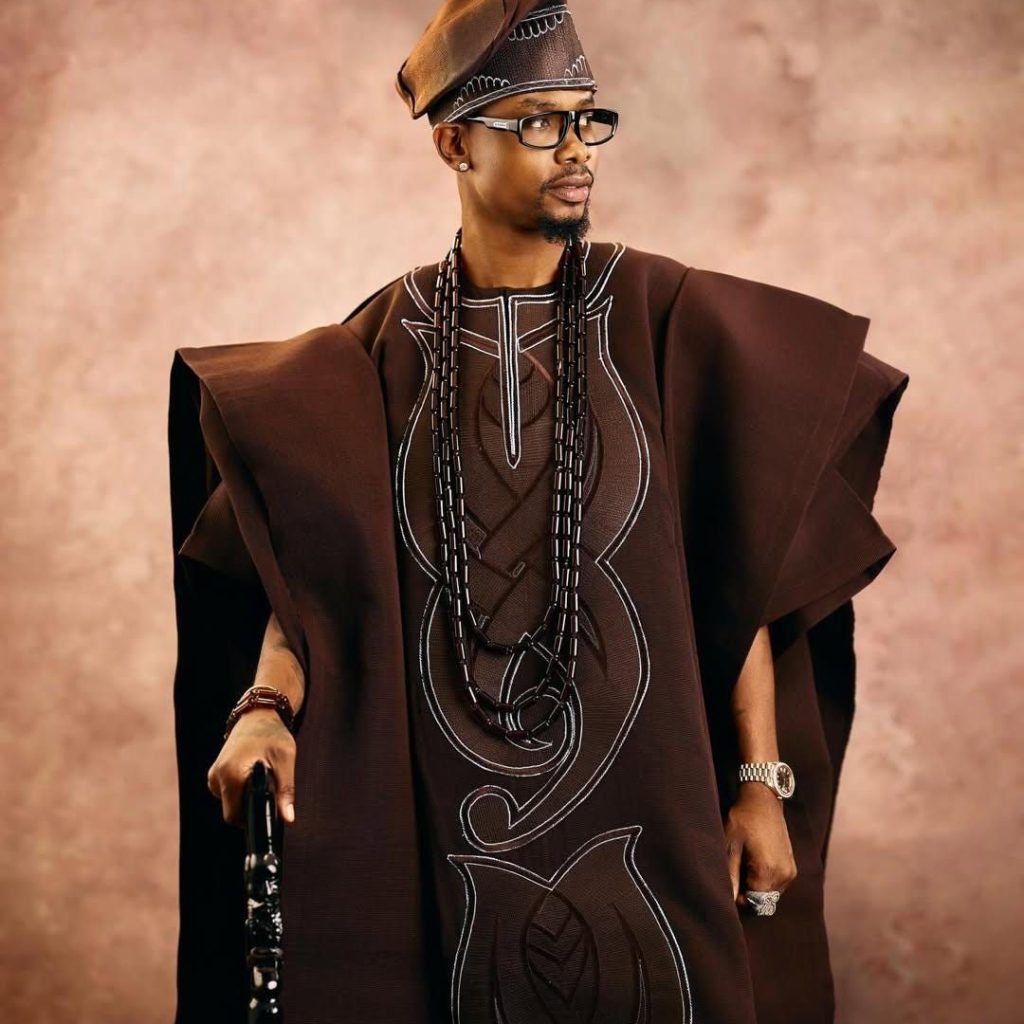
Flowing like a royal breeze, Agbada is a wide-sleeved robe worn by men, especially among the Yoruba people. Often crafted from richly embroidered fabric, it symbolizes prestige and authority.

Worn at weddings, festivals, and ceremonies, Agbada turns any man into a walking monument of culture.


2. Ankara (West Africa)
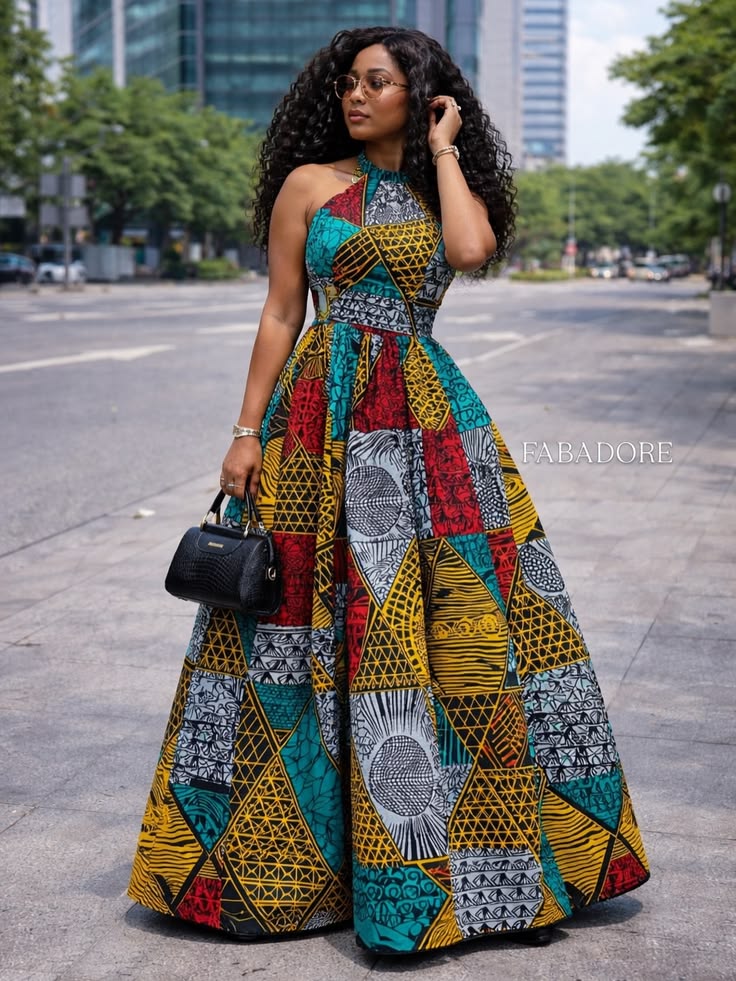
Image source: Pinterest

Ankara is the heartbeat of modern African fashion. Known for its bold prints and vibrant colors, this cotton fabric is transformed into dresses, suits, skirts, and more.

It’s versatile, expressive, and constantly evolving—like a canvas where tradition meets trend.


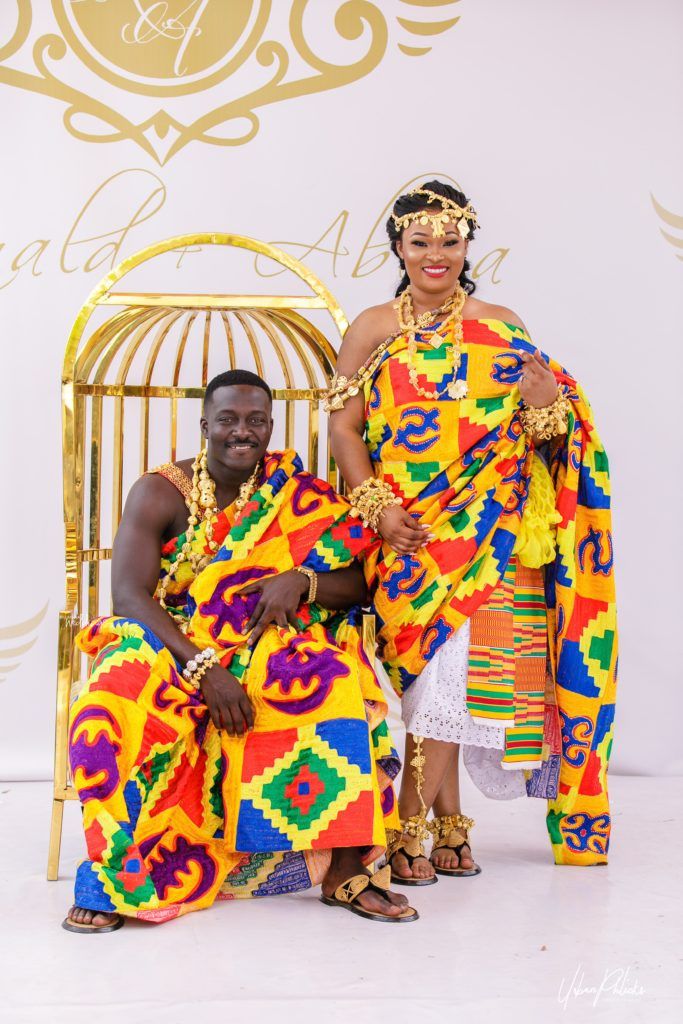
3. Kente (Ghana)
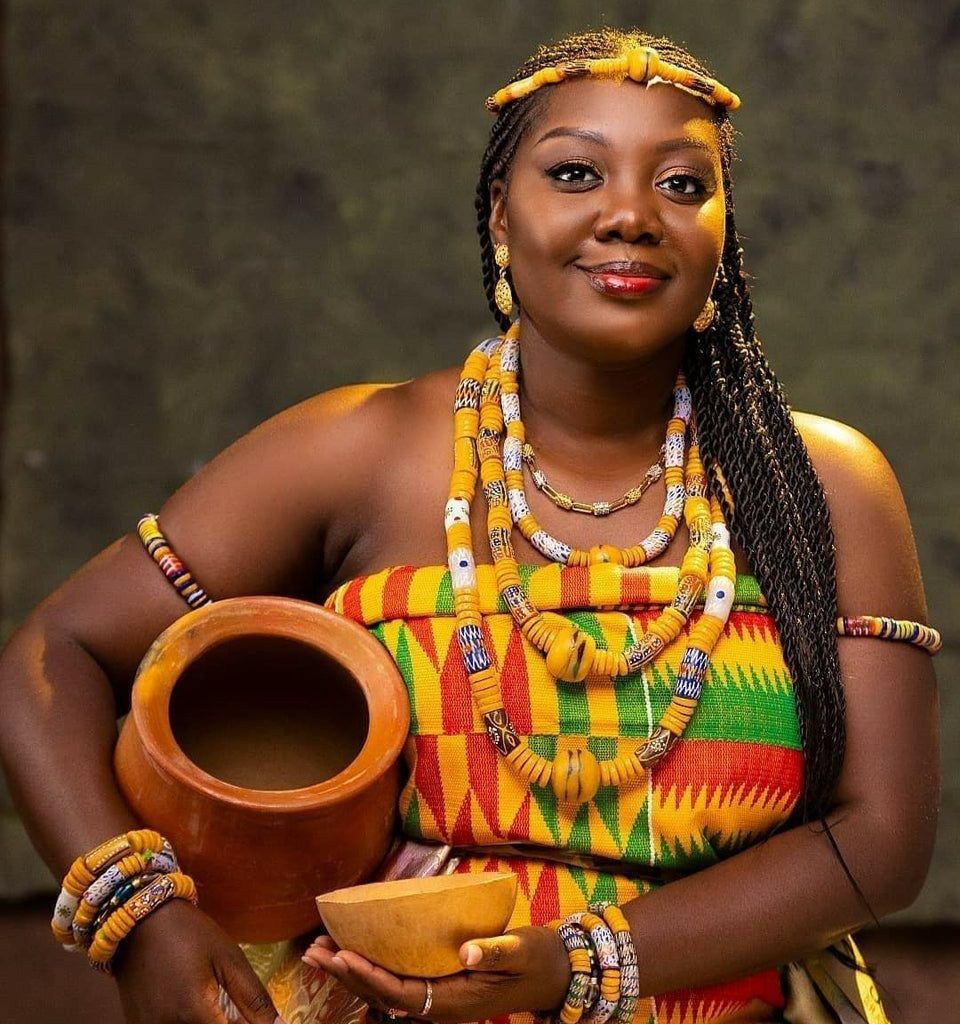
Image source: Pinterest
Image Source: Pinterest

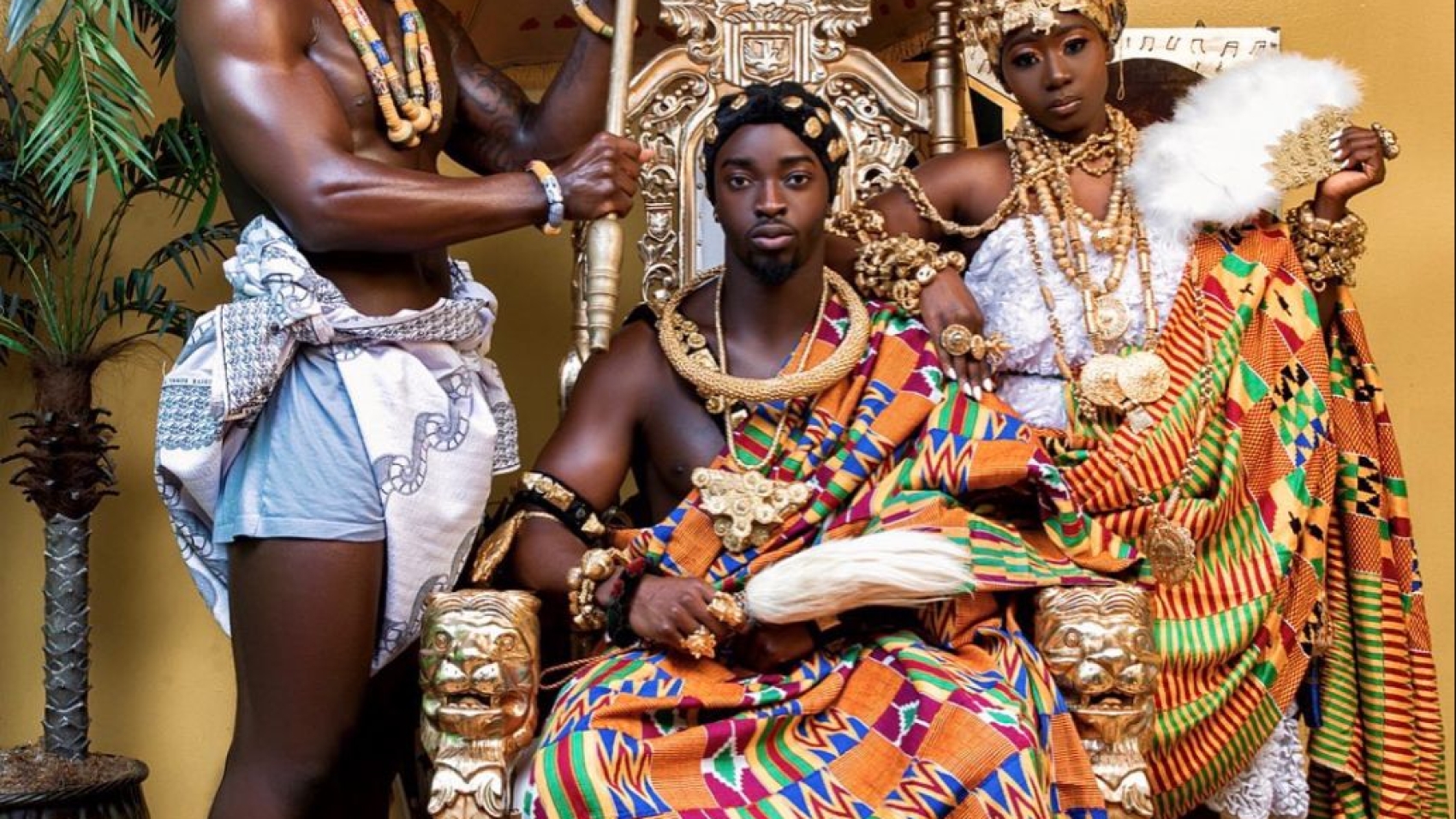
Kente cloth is more than fashion—it’s philosophy in fabric. Originating from the Ashanti people, each pattern and color carries symbolic meaning.

Traditionally worn by royalty, Kente is now a powerful emblem of African identity and pride across the diaspora.


4. Dashiki (West Africa)
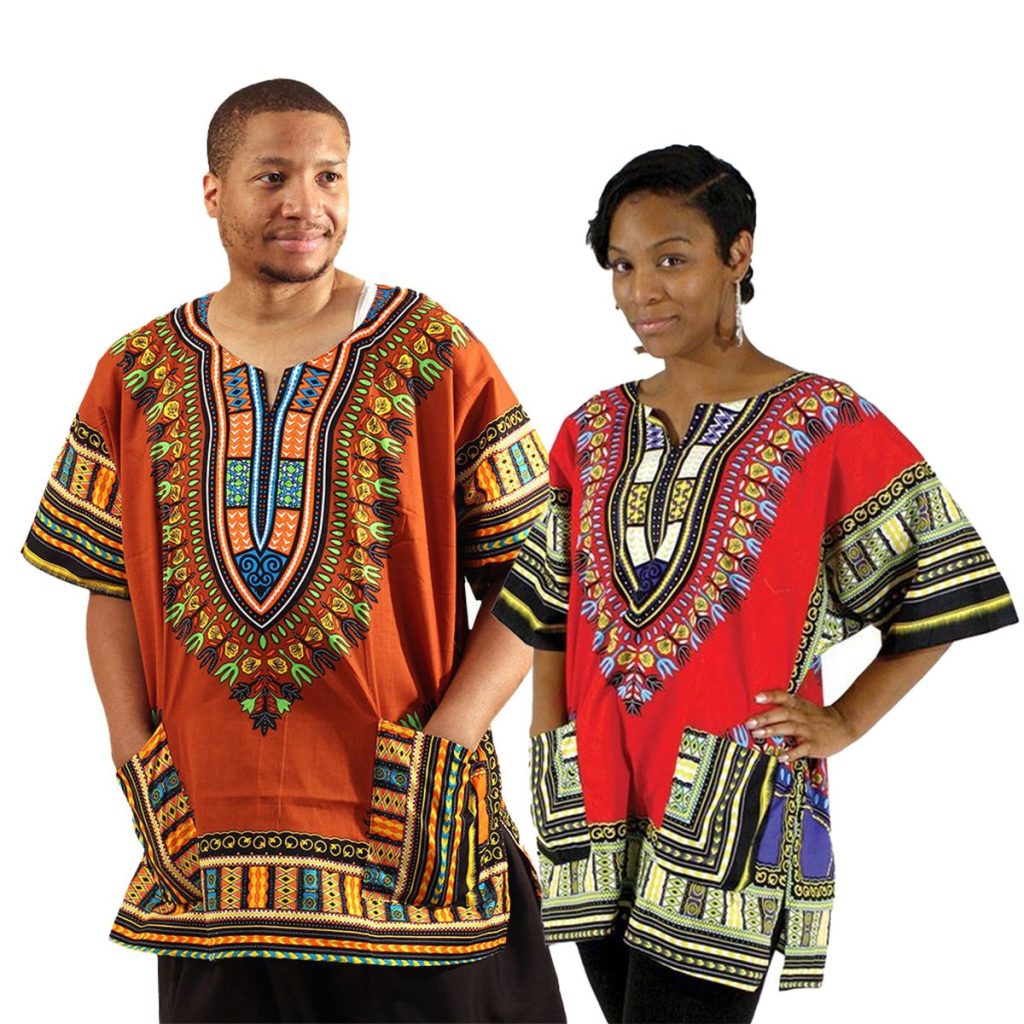
Image Source: Pinterest

The Dashiki is instantly recognizable with its loose fit and ornate embroidery around the neckline. Popular across West Africa and globally, it represents cultural pride and resistance.

It’s casual, bold, and effortlessly stylish.


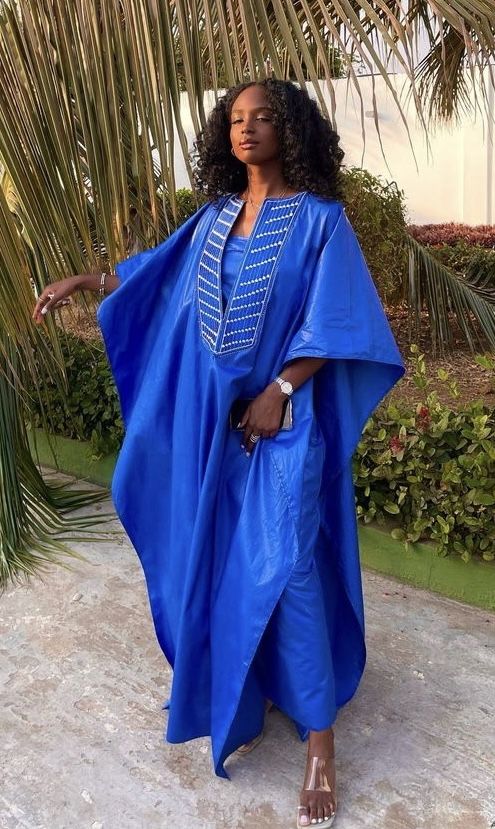
5. Boubou (Senegal and West Africa)
boubou-2
Image Source: Pinterest

Graceful and expansive, the Boubou is worn by both men and women. It features a long flowing gown paired with trousers or a wrapper.

Often made from luxurious fabrics, it embodies elegance and comfort in one majestic sweep.


6. Shweshwe (South Africa)

Image Source: Pinterest

Shweshwe fabric, known for its intricate geometric patterns, is deeply rooted in South African culture.

Commonly worn by Xhosa and Sotho women, it appears in dresses, skirts, and accessories—often in shades of indigo, brown, and red.


7. Isidwaba and Isicholo (Zulu, South Africa)
Isidwaba and Isicholo
Image Source: Pinterest

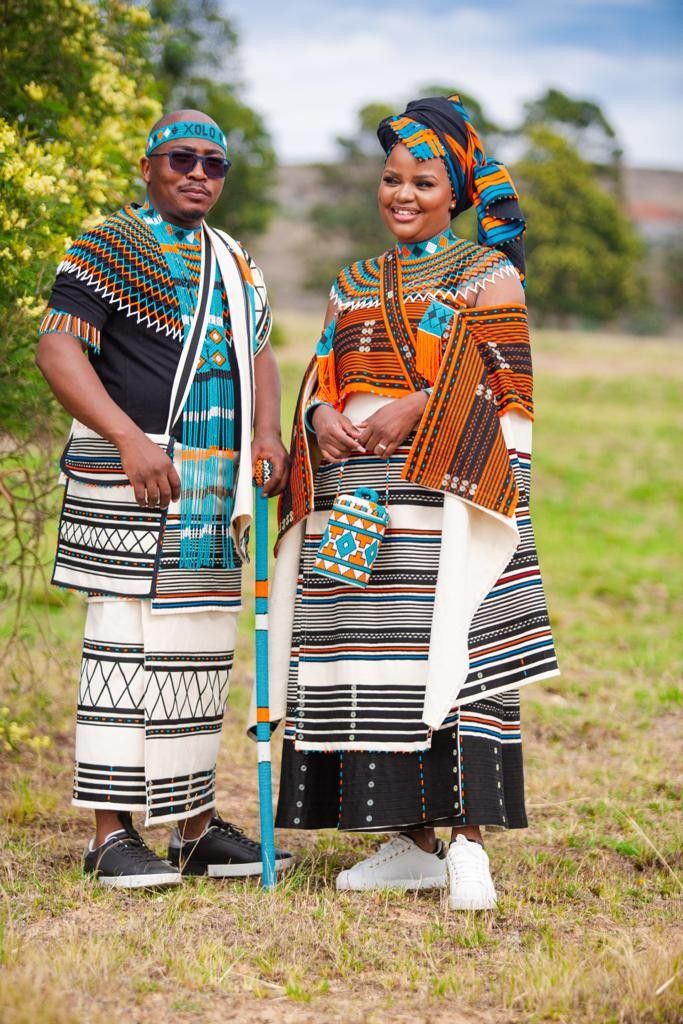
This traditional Zulu attire is rich in symbolism. The Isidwaba (leather skirt) and Isicholo (hat worn by married women) represent status, maturity, and cultural identity.

It’s not just clothing—it’s a declaration of life stage and heritage.


8. Kanzu (East Africa)

kanzu
Image Source: Pinterest

The Kanzu is a long white robe worn by men in countries like Uganda and Tanzania. Clean, simple, and dignified, it is often worn during religious and formal occasions.

Its elegance lies in its minimalism.


9. Dirac (Somalia)

dirac
Image Source: Pinterest

Light as air and radiant in color, the Dirac is a flowing dress worn by Somali women, often layered over a slip.

It’s commonly worn at weddings and celebrations, shimmering with grace and femininity.


10. Bogolanfini (Mali)
Bogolanfini-e
Image Source: Pinterest

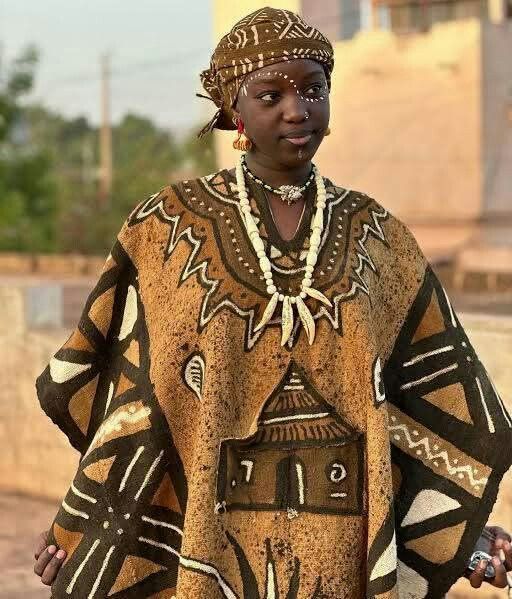
Also known as mud cloth, Bogolanfini is handmade using fermented mud to create symbolic patterns.

Each design tells a story—of status, events, or beliefs—making it one of Africa’s most meaningful textiles.


African traditional outfits are not frozen in time—they are alive, evolving, and influencing global fashion in powerful ways. Each piece carries identity, pride, and artistry, reminding the world that Africa is not just a place—it’s a style statement.

Whether worn in celebration or daily life, these outfits continue to bridge generations, telling stories that never fade.
The rise of the mali empire

The Rise of the Mali Empire: How Gold, Strategy, and Vision Built a West African Giant

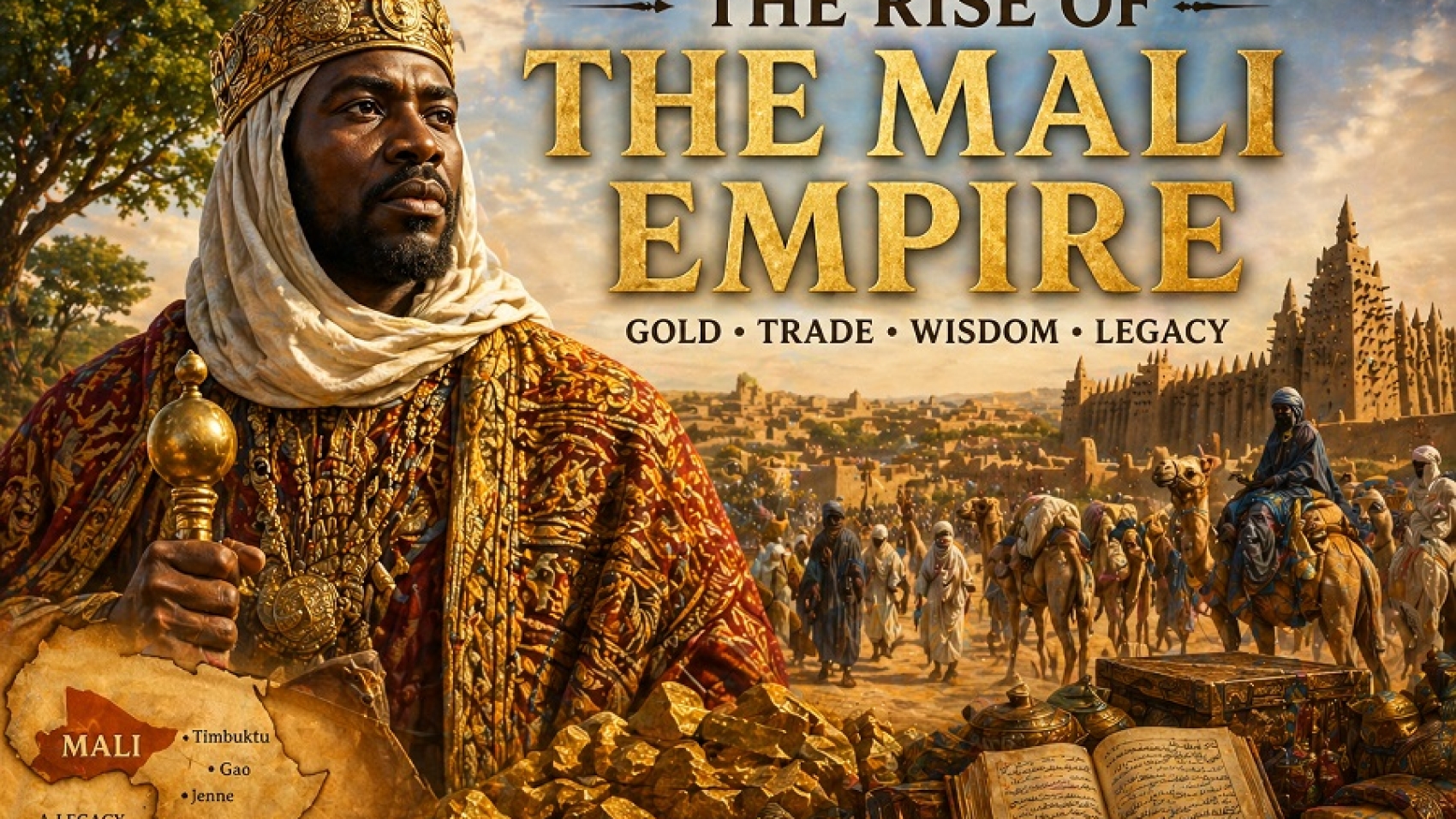
The story of the Mali Empire is not just history—it’s a thunderclap across time. Rising from the savannas of West Africa in the 13th century, Mali became one of the most powerful and wealthy empires the world had ever seen. Built on gold, strengthened by trade, and guided by visionary leadership, its ascent reshaped African and global history.

The Fall of Ghana and the Seeds of Mali

Before Mali rose, the region was dominated by the Ghana Empire. But by the early 1200s, Ghana had weakened due to internal strife and external pressures. This power vacuum created fertile ground for a new force to emerge.

Small Mandinka kingdoms began to stir, like embers waiting for a spark. That spark came in the form of a determined leader who would change everything.

Sundiata Keita: The Lion King of Mali

At the heart of Mali’s rise stands Sundiata Keita, a figure wrapped in legend and history. Once an exiled prince, Sundiata returned to reclaim his destiny and unite the Mandinka people.

His defining moment came at the Battle of Kirina around 1235, where he defeated the powerful Sosso king, Sumanguru Kanté. This victory didn’t just win a war; it birthed an empire.

Sundiata then established a centralized government, promoted agriculture, and laid the foundation for a stable and prosperous state. His leadership turned scattered territories into a unified force.

Gold: The Empire’s Beating Heart

landscape-illustration-of-an-open-ornate-bag-of-go

If Mali had a heartbeat, it pulsed with gold.

The empire controlled some of the richest gold mines in the world, particularly in regions like Bambuk and Bure. At a time when gold was the backbone of global trade, Mali became a magnet for merchants from North Africa and beyond.

Gold flowed out. Wealth flowed in.

But Mali wasn’t reckless. The rulers carefully regulated gold supply, maintaining its value and ensuring long-term prosperity.

Trade Routes and Economic Power

Mali’s strategic location gave it control over major trans-Saharan trade routes. Caravans loaded with salt, gold, ivory, and textiles crossed vast deserts, linking West Africa to the Mediterranean and the Middle East.

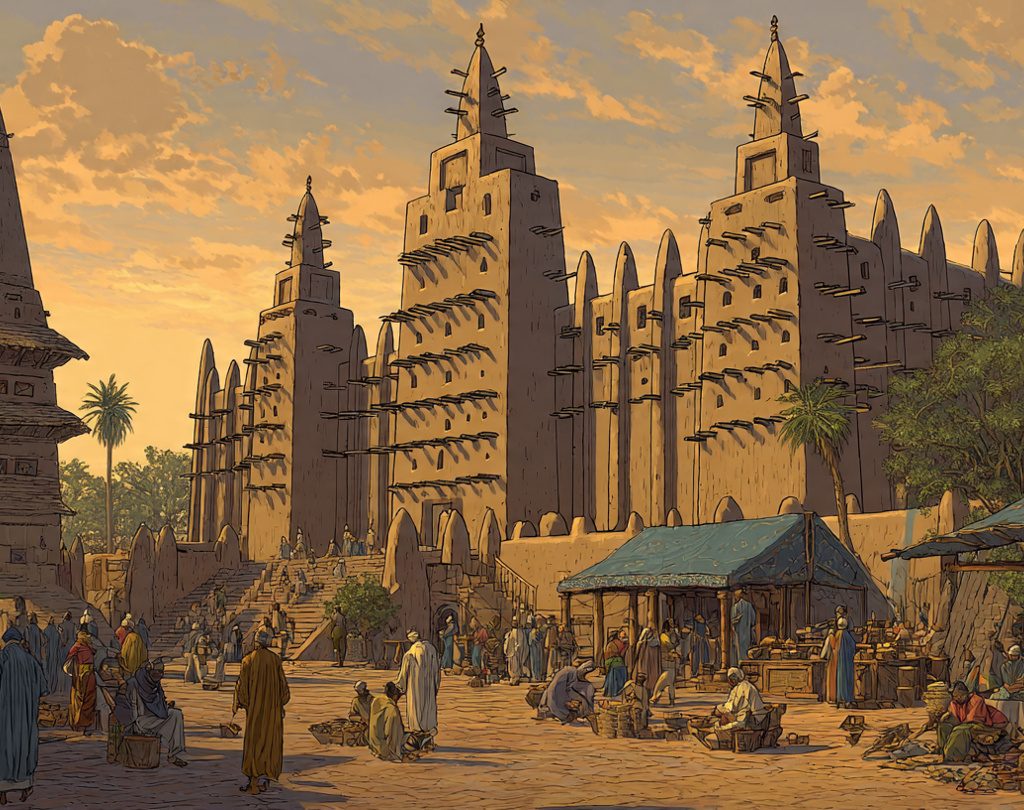
Cities like Timbuktu and Gao blossomed into bustling centers of commerce and learning. These weren’t just markets—they were melting pots of culture, ideas, and innovation.

Mansa Musa: The Emperor Who Amazed the World

landscape-illustration-of-mansa-musa-the-wealthies

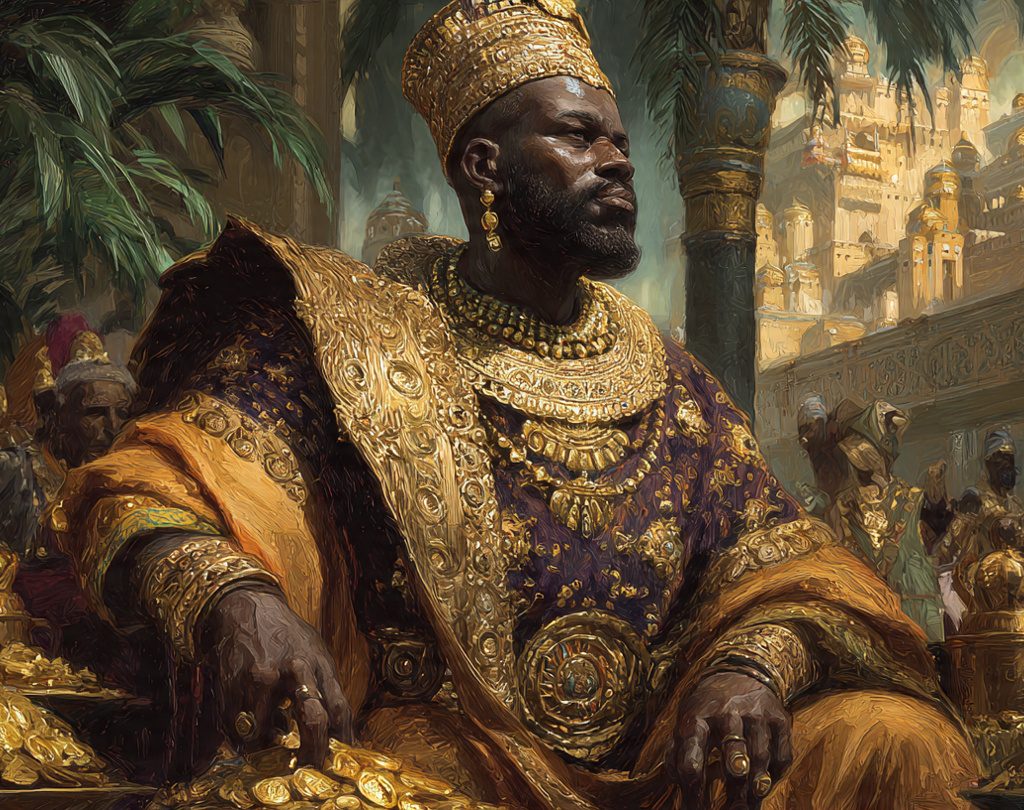
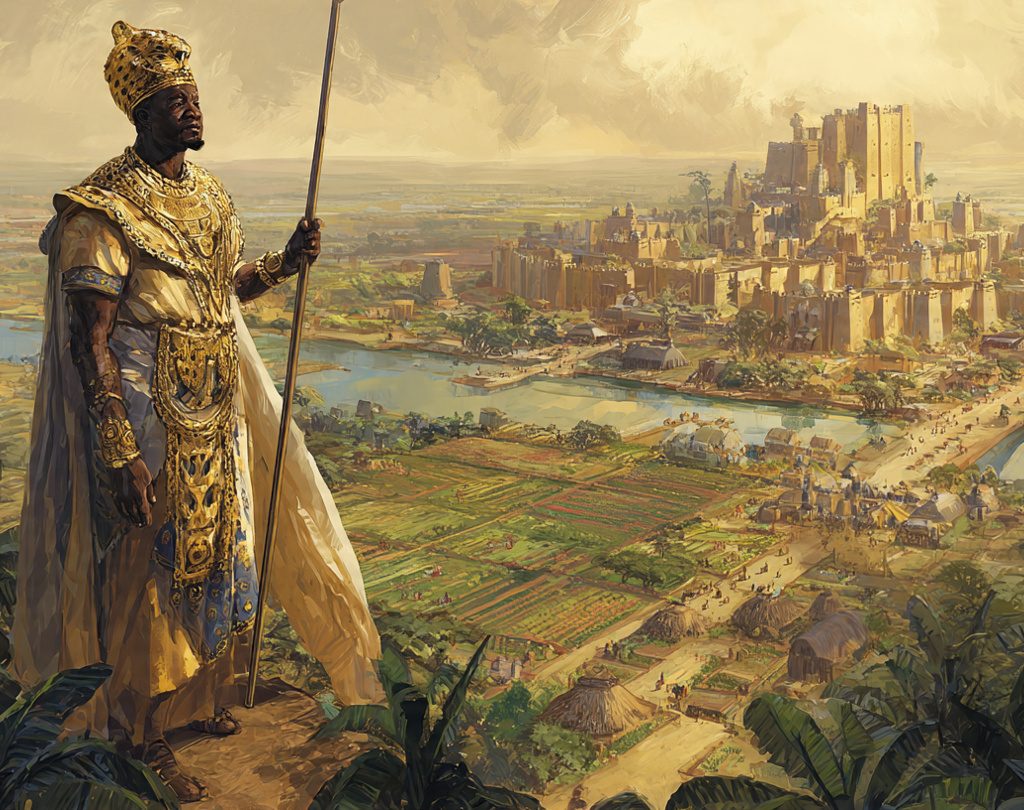
No discussion of Mali’s rise is complete without Mansa Musa, arguably the richest man in history.

His famous pilgrimage to Mecca in 1324 turned heads across continents. Traveling with a caravan of thousands and distributing gold generously along the way, he unintentionally caused inflation in regions like Egypt.

But Musa’s legacy goes beyond wealth. He invested heavily in education, architecture, and religion. Under his rule, Timbuktu became a renowned center of Islamic scholarship, attracting scholars from across the world.

Governance and Stability

Mali’s success wasn’t just luck or resources—it was structure.

The empire was divided into provinces, each governed by appointed officials who reported to the emperor. This system ensured order across vast territories.

Local leaders retained some authority, creating a balance between central control and regional autonomy. It was governance with both backbone and flexibility.

Cultural and Intellectual Flourishing

landscape-illustration-of-timbuktus-sankore-univer

As Mali grew richer, it also grew wiser.

Islam played a significant role in shaping the empire’s culture, especially among the elite. Mosques, libraries, and universities flourished. Timbuktu’s Sankore University became one of the most respected centers of learning in the medieval world.

Scholars studied law, astronomy, mathematics, and literature—turning Mali into a beacon of knowledge.

The rise of the Mali Empire is a story of transformation—of how leadership, resources, and strategic thinking can turn a fragmented region into a global powerhouse.

From Sundiata’s resilience to Mansa Musa’s dazzling influence, Mali didn’t just rise—it roared. Its legacy still echoes today, reminding the world that Africa has long been a cradle of power, wealth, and wisdom.

illustration-of-the-african-folktale-the-tortoise-

African Folktale: The Tortoise and Wisdom

Across many African cultures, the tortoise is not the fastest, nor the strongest—but it is often the wisest. This beloved character appears in countless folktales, teaching lessons that echo through generations.

One of the most powerful of these stories is “The Tortoise and Wisdom”—a tale about knowledge, pride, and the surprising limits of trying to possess everything.


The Story Begins

Long ago, when the world was still young, Wisdom was scattered everywhere. It lived in the rivers, danced in the wind, whispered through the trees, and rested in the hearts of people.

Anyone could learn. Anyone could grow.

But one creature was not satisfied.

The Tortoise.


The Tortoise’s Plan

The Tortoise believed something dangerous:

“If I gather all the wisdom in the world, I will become the wisest being of all.”

So, with patience and cunning, he began his mission.

He traveled far and wide:

  • Collecting wisdom from elders
  • Learning secrets from animals
  • Gathering knowledge from every corner of the land

Each piece of wisdom he found, he stored carefully in a large calabash.

Over time, the calabash became full—heavy with ideas, lessons, and truths.


Hiding Wisdom

Now the Tortoise faced a new problem.

“Where can I hide all this wisdom so no one else can access it?”

After thinking deeply, he decided to hide it at the top of the tallest tree in the forest.

So he tied the calabash to his chest and began to climb.


A Moment of Truth

Up he struggled.

Slowly. Clumsily.

The calabash kept knocking against the tree, making it difficult to climb.

Below, a young boy watched the Tortoise’s struggle.

Finally, the boy called out:

“Tortoise! Why not tie the calabash to your back instead? It would be easier to climb.”

The Tortoise froze.


The Realization

in-frustration-and-shock-the-tortoise-lost-his-gri

In that moment, something cracked—not just the calabash, but his pride.

“After gathering all the wisdom in the world… how could a small boy know something I do not?”

In frustration and shock, the Tortoise lost his grip.

The calabash fell.

It shattered on the ground.

And all the wisdom scattered once again across the world.


The Lesson of the Story

This folktale carries a message as deep as the oldest roots:

💡 Wisdom cannot be owned by one person

No matter how much we know, someone else always knows something we don’t.


💡 Pride limits true understanding

The Tortoise’s mistake wasn’t collecting wisdom—it was believing he alone should have it.


💡 Knowledge grows when shared

When wisdom is spread, everyone benefits.


Why This Story Still Matters Today

In today’s world of information and expertise, the story of the Tortoise reminds us:

  • Stay humble, no matter how much you know
  • Listen — even to unexpected voices
  • Share knowledge instead of hoarding it

Because wisdom, like water, flows best when it moves freely.


The Tortoise wanted to become the wisest of all—but in the end, he taught the greatest lesson:

True wisdom is not in gathering everything, but in understanding that you never know everything.

And so, the world remains full of wisdom—waiting to be discovered, shared, and respected.

tortoise folktale
partyjol

How to Make Authentic Nigerian Jollof Rice (Step-by-Step Guide)

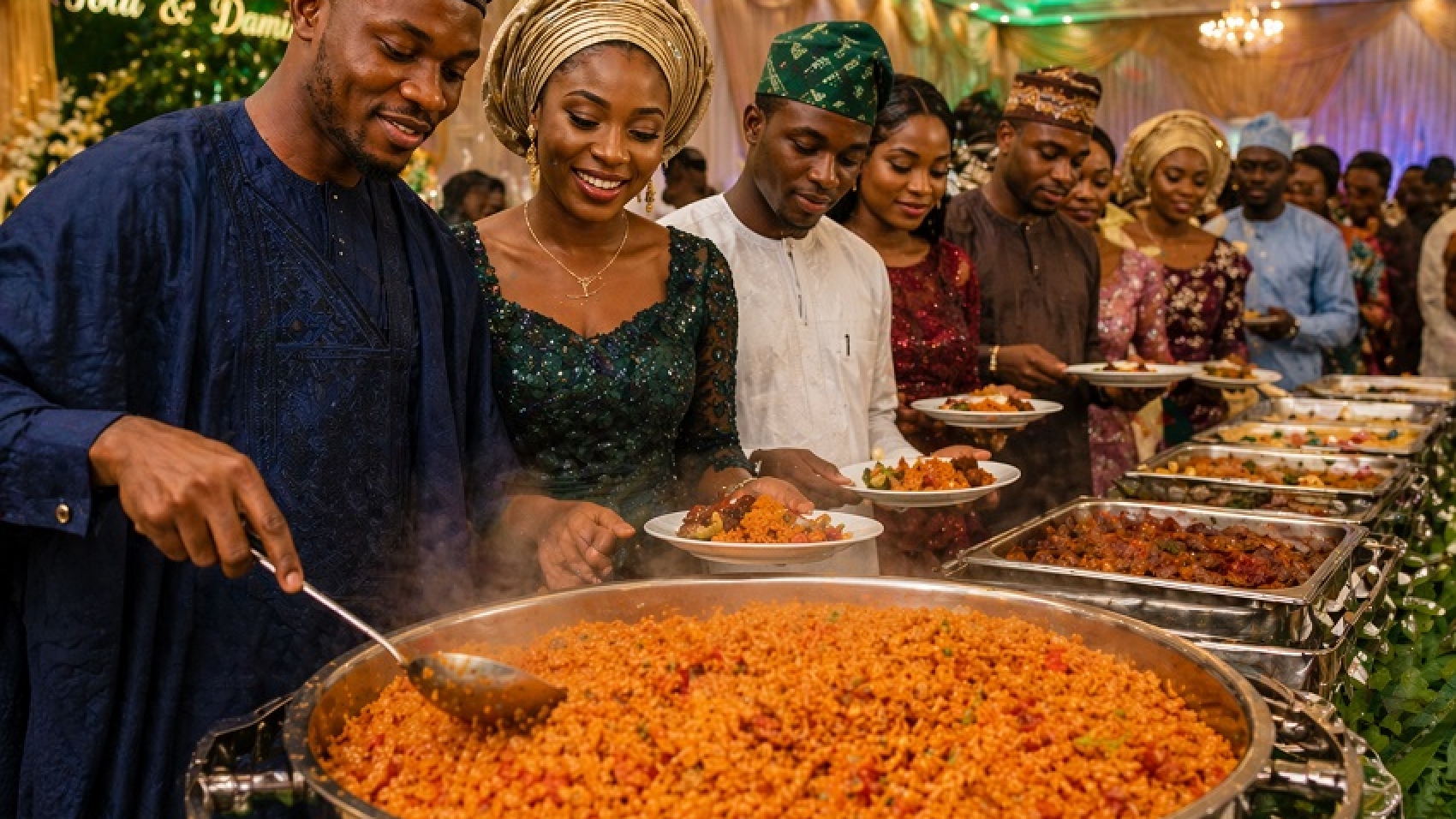
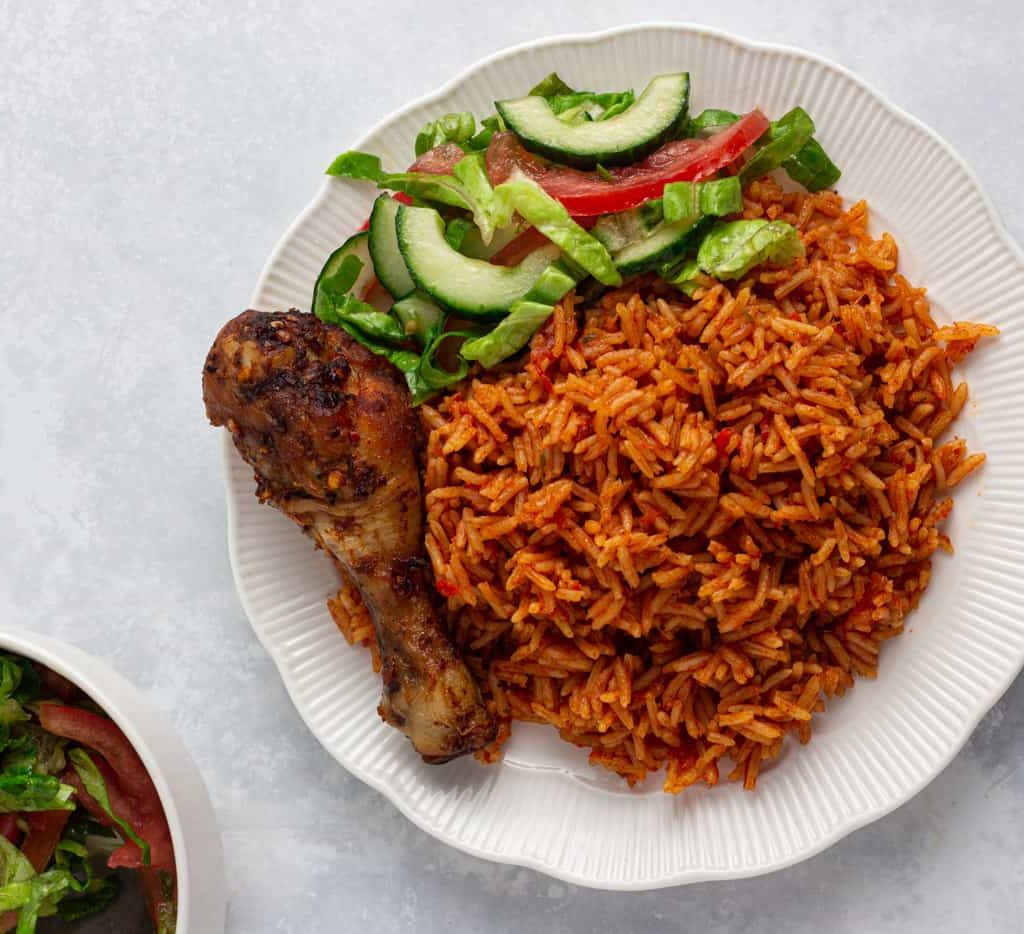
Few dishes spark as much pride, debate, and delicious rivalry as Nigerian Jollof Rice. Known for its rich smoky flavor, vibrant color, and irresistible aroma, this dish is a staple at parties, celebrations, and Sunday family tables across Nigeria.

If you’ve ever wondered how to make authentic Nigerian Jollof Rice, this guide will walk you through it—no shortcuts, just flavor.


What Makes Nigerian Jollof Rice Special?

Source: eat well abi

Nigerian Jollof stands out because of:

  • Its smoky party-style flavor
  • A rich tomato-pepper base
  • Perfectly cooked, non-sticky grains
  • Bold seasoning that hits deep

That signature smokiness? It comes from allowing the rice to slightly toast at the bottom—what many call “party jollof magic.”


Ingredients You’ll Need

Main Ingredients:

  • 2 cups long-grain parboiled rice
  • 5–6 fresh tomatoes
  • 3 red bell peppers (tatashe)
  • 2 scotch bonnet peppers (ata rodo)
  • 1 large onion
  • 3 tablespoons tomato paste
  • 1/4 cup vegetable oil

Seasoning:

  • 2–3 seasoning cubes
  • 1 teaspoon thyme
  • 1 teaspoon curry powder
  • Salt (to taste)
  • 1–2 cups chicken stock

Optional Add-ons:

  • Fried plantains
  • Grilled or fried chicken
  • Beef or turkey

Step 1: Prepare the Pepper Base

Blend together:

  • Tomatoes
  • Red bell peppers
  • Scotch bonnet
  • Half onion

Blend until smooth—not too watery.


Step 2: Fry the Tomato Base

  1. Heat oil in a pot
  2. Add chopped onions
  3. Stir in tomato paste and fry for 2–3 minutes
  4. Pour in blended mixture

Cook on medium heat for 10–15 minutes until it thickens and loses its sour taste.


Step 3: Season the Sauce

Add:

  • Thyme
  • Curry powder
  • Seasoning cubes
  • Salt
  • Chicken stock

Let it simmer for 5 minutes so the flavors marry like a well-rehearsed choir


Step 4: Add the Rice

  1. Wash parboiled rice
  2. Add into the sauce
  3. Stir until evenly coated

Step 5: Cook to Perfection

  • Add water or stock just enough to cover the rice
  • Cover with foil (optional, for heat trapping)
  • Cook on low heat

Let it steam—not boil aggressively.

jollof-sm

Step 6: Create That Smoky Flavor

This is where magic happens.

  • Allow the rice at the bottom to slightly toast
  • Don’t stir too often

That subtle burn? That’s the party flavor people love.


Step 7: Serve and Enjoy

Fluff the rice and serve with:

  • Fried plantains
  • Chicken or beef
  • Coleslaw or salad

Pro Tips for Perfect Jollof Rice

  • Use parboiled rice (not sticky rice)
  • Don’t add too much water
  • Let the sauce cook well before adding rice
  • Avoid constant stirring
  • Low heat = best results

Why Jollof Rice Matters

Jollof Rice is more than food—it’s culture, identity, and celebration. From weddings to street corners, it brings people together and tells a story of flavor passed down through generations.


Mastering Nigerian Jollof Rice is like learning a rhythm—once you get it, it stays with you. With the right balance of heat, spice, and patience, you’ll create a dish that doesn’t just feed people—it impresses them.

616197386_122190818768472918_639749463879103716_n

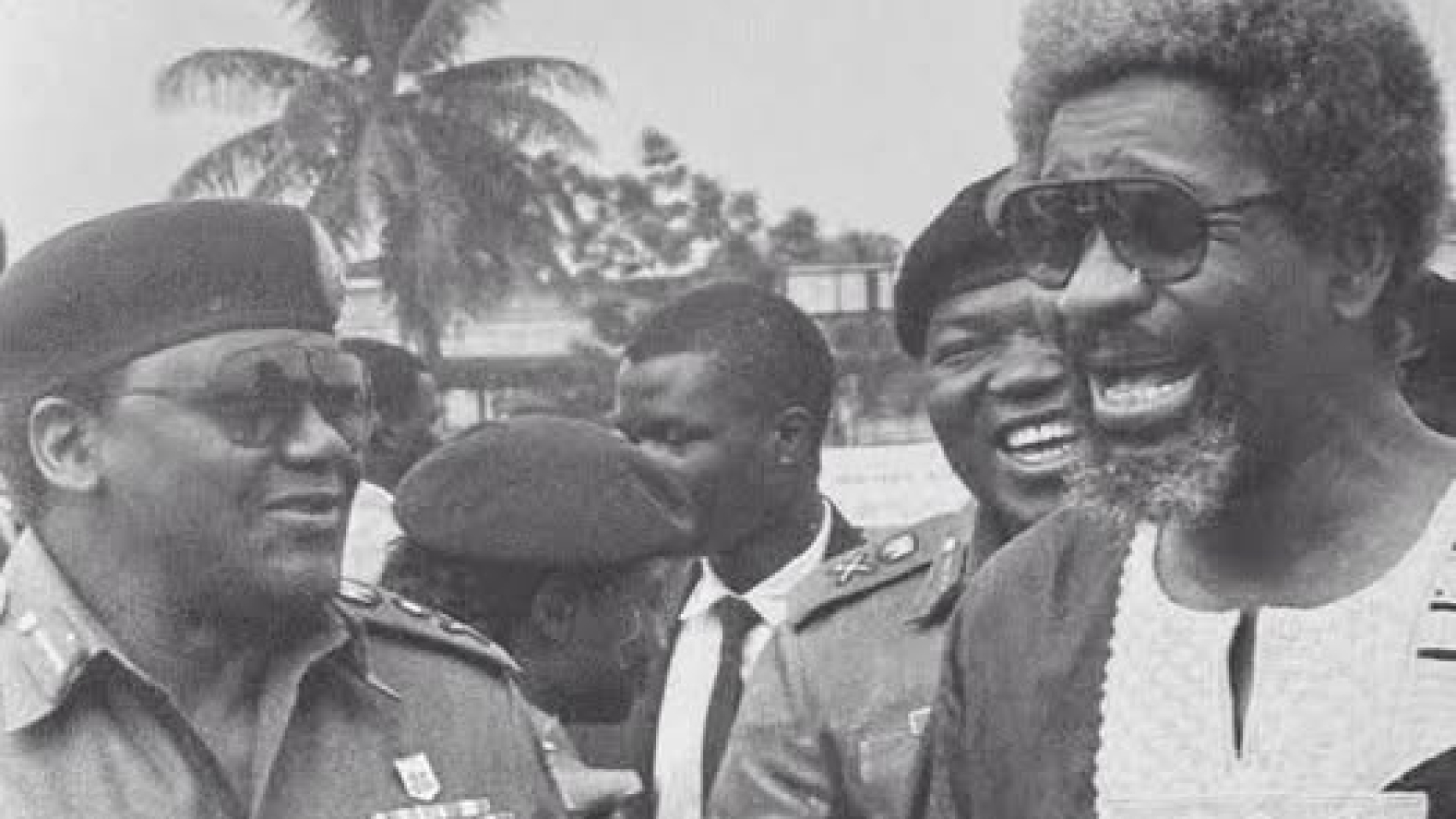
Did you know? -Prof. Wole Soyinka

On August 8, 1994, Prof. Wole Soyinka, Nobel laureate and pro-democracy activist, went to the Federal High Court in Lagos asking the Court to declare the General Sani Abacha government illegal.

He was already an individual of particular concern to the Abacha government because of his courage to speak out and oppose the administration’s actions.

In November 1994, Professor Soyinka fled into exile for ‘political reasons’, on grounds that his life is being thr3eatēned.

Credit: Ethnic African Stories

615786512_122258627894189242_4890989863052665556_n

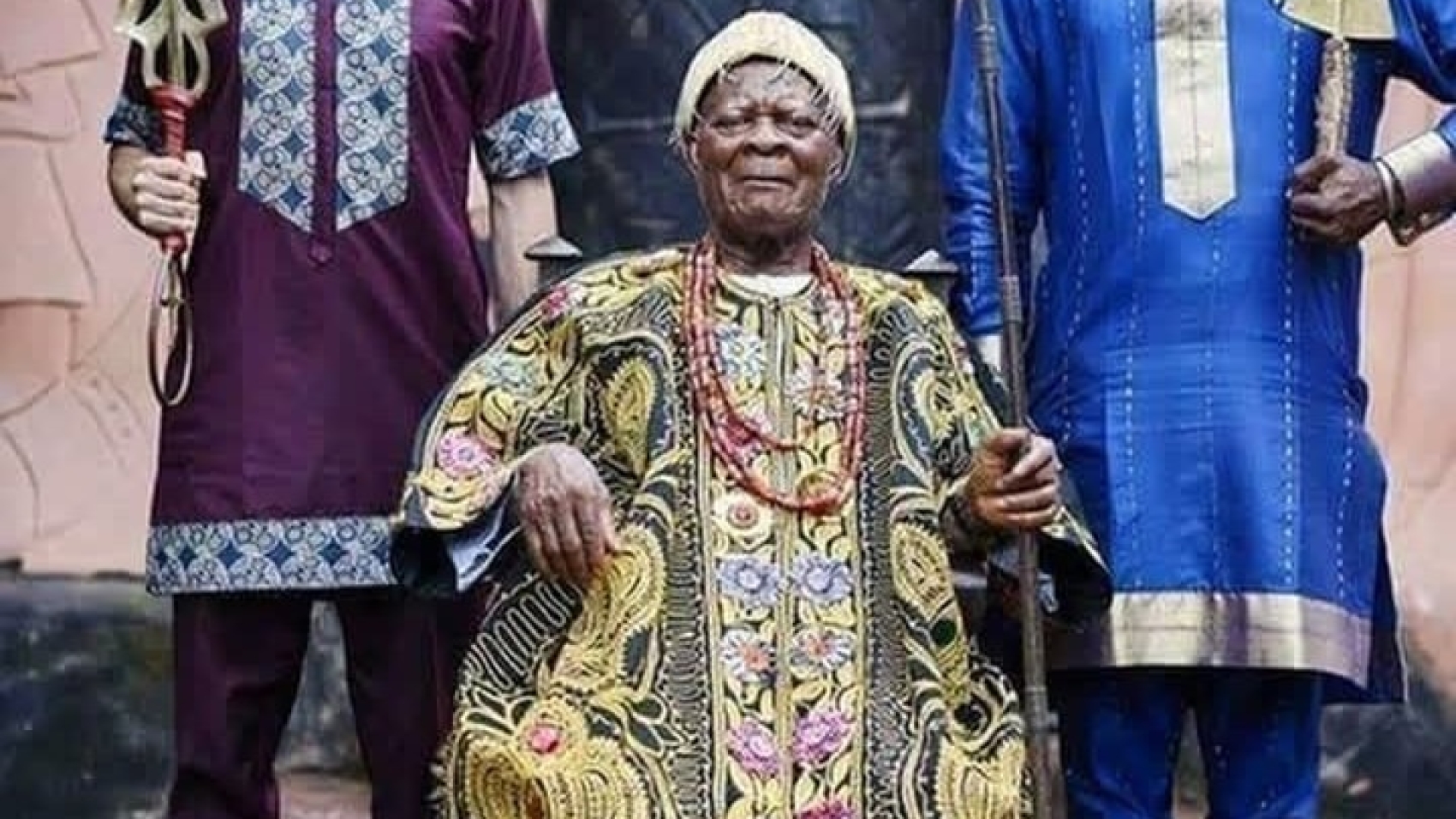
Igwe Kenneth Onyeneke Orizu III, the traditional ruler of the Nnewi Kingdom

The image features Igwe Kenneth Onyeneke Orizu III, the traditional ruler of the Nnewi Kingdom in Anambra State, Nigeria. The moment captures him with two individuals, possibly during a cultural event or celebration.

Igwe Orizu III is the 20th monarch of the Nnewi Kingdom.
He is one of the longest-reigning monarchs in the world, having ascended to the throne in the early 1960s.
The title “Igwe” is a royal title used to address traditional rulers in Igboland, meaning “Sky”.
Nnewi is a major commercial and industrial city in southeastern Nigeria, often nicknamed the “Japan of Africa”

Source: Historical Nigeria

643806139_755305577659429_5807341306159827381_n

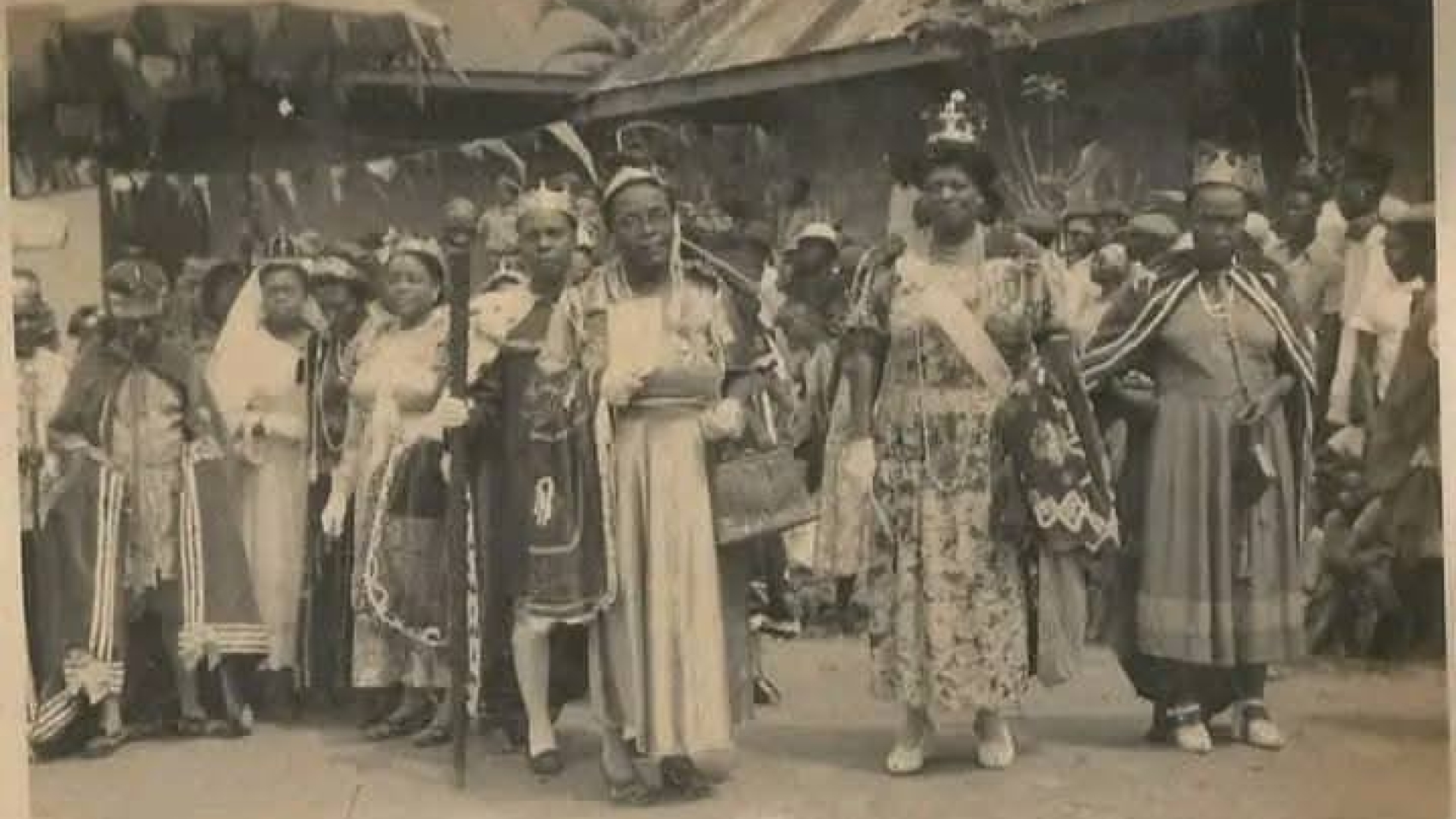
The Story of Edidem Edem Asibong Ekpo Effiom Okoho (Archibong V), Obong of Calabar

Edidem Edem Asibong Ekpo Effiom Okoho, also known as Archibong V, was the Obong of Calabar from 1948 to 1961. According to Chief Orok-Orok Effiom Duke’s book, “20th Century Famous Kings and Eminent Persons of Calabar”, he’s one of the longest-serving rulers in Efik history.

Born around 1872, Archibong V was the 55th Edidem of the Efiks and the 18th Obong of Calabar. He was the fifth son of King Archibong III, who was the first Efik monarch to have a Westminster-style coronation.

Before becoming Obong, Archibong V was Etubom of Archibong House and a Native Court Warrant Chief. He played a key role in reuniting the Efik Kingdom, which included Creek Town, Duke Town, Old Town, Henshaw Town, and Cobham Town.

His coronation in 1950 marked a new era for the Efiks, nullifying the colonial Native Rule Proclamation of 1902. He was a strong supporter of the COR movement for self-determination, which put him at odds with the NCNC government.

Archibong V’s reign was notable for Queen Elizabeth II’s visit to Calabar in 1956. Despite his contributions, he was denied national honors by the government, which was awarded posthumously in 1964.

Rewritten by Efik Heritage Foundation

Source: “20th Century Famous Kings and Eminent Persons of Calabar” by Chief Orok-Orok Effiom Duke, as shared by Richard Duke.

Tiwa Savage Music Foundation

Tiwa Savage Music Foundation

Tiwa Savage has unveiled the Tiwa Savage Music Foundation, an initiative focused on supporting emerging African creatives through mentorship, access, and quality music education.

The award-winning singer shared a photo of herself surrounded by musical instruments, describing the project as a step toward investing in homegrown creativity and building sustainable opportunities for young artists.

“After years of building globally… It’s time to build at home 🇳🇬✨“, Tiwa wrote.

“Introducing the Tiwa Savage Music Foundation.

A new initiative dedicated to empowering emerging African creatives through access, mentorship, and world-class music education.”

Source: tiwasavagemusicfoundation | Instagram

Olusegun Obasanjo

Olusegun Obasanjo at Howard University in 1977: A Diplomatic and Symbolic Encounter

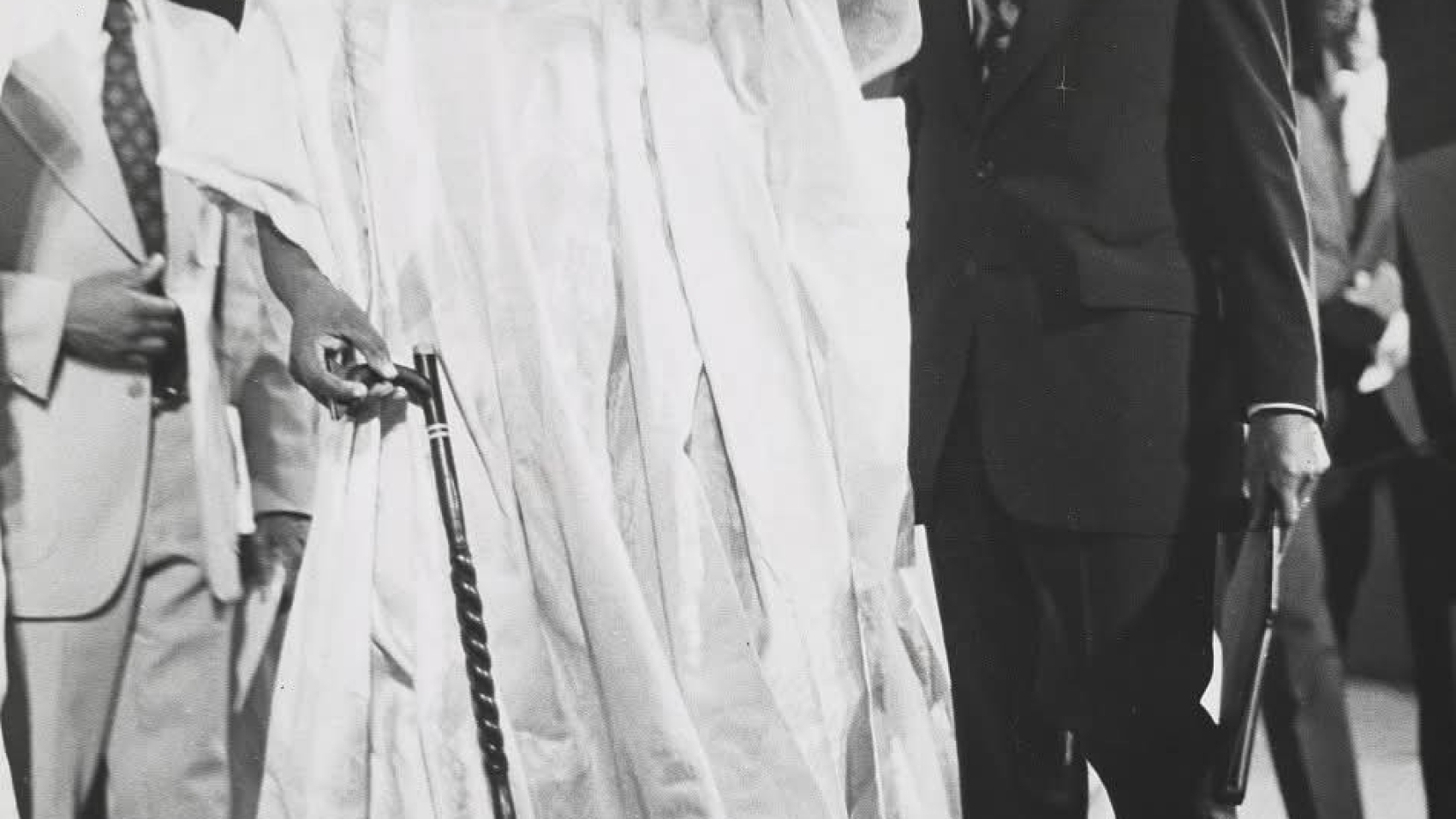
This photograph, taken at Howard University, Washington, D.C., in September 1977, captures a significant moment featuring Nigerian Head of State General Olusegun Matthew Okikiola Aremu Obasanjo alongside Howard University President James E. Cheek. More than a routine meeting, the image reflects the growing connections between postcolonial African leadership and major African American institutions during the 1970s, a period when questions of Black identity, global solidarity, education, and diplomacy were deeply intertwined.

At the time the photograph was taken, Olusegun Obasanjo was serving as Nigeria’s military Head of State, a position he held from 13 February 1976 to 1 October 1979 following the assassination of General Murtala Muhammed. Obasanjo’s administration is widely remembered as a transitional one. Although he was a military ruler, he distinguished himself by supervising a return to civilian government and, in 1979, handing over power to an elected president, Alhaji Shehu Shagari. This made him one of the few African military leaders of his era to voluntarily transfer power to a civilian administration, a fact that gave him considerable international attention and respect.

His presence at Howard University in 1977, therefore, carried both political and symbolic weight. Howard, one of the most prestigious historically Black universities in the United States, has long served as a centre of Black intellectual life, leadership, and international exchange. For an African head of state to be received there was not simply ceremonial. It represented the importance of dialogue between Africa and the African diaspora at a time when many African nations were still defining their post-independence identities and African American institutions were increasingly engaging with global Black struggles and aspirations.

Standing beside Obasanjo in the image is Dr James Edward Cheek, who served as president of Howard University from 1969 to 1989. Cheek was an influential educator and administrator whose presidency spanned a crucial period in the university’s history. Under his leadership, Howard strengthened its academic profile, expanded its global outlook, and became an even more visible platform for conversations about Black empowerment, higher education, and international affairs. His meeting with Obasanjo reflected Howard’s role not only as an American university, but as an intellectual crossroads for leaders across Africa and the diaspora.

The timing of the image is also important. The late 1970s were a period in which Nigeria was becoming increasingly prominent on the African continent and internationally. Flush with oil wealth and newly assertive in foreign affairs, Nigeria presented itself as a major African power.

The country was active in anti-colonial and anti-apartheid causes and sought to strengthen its voice within Africa and the wider Black world.

Obasanjo’s visit to an institution like Howard thus aligned with Nigeria’s broader diplomatic posture of leadership, influence, and Pan-African engagement.

Seen in this context, the photograph represents more than an official courtesy call. It is a visual record of a moment when African state power and African American institutional prestige met on shared symbolic ground.

Howard University represented scholarship, Black advancement, and diasporic leadership. Obasanjo, as Nigeria’s ruler, represented the authority and ambitions of one of Africa’s largest and most influential nations. Their meeting suggested mutual recognition: the recognition by African leaders of the importance of Black institutions in the United States, and the recognition by those institutions of Africa’s central place in global Black history and politics.

Photographs such as this one are valuable because they preserve the quiet but meaningful encounters that formal histories sometimes overlook. They remind us that diplomacy is not shaped only in presidential palaces, foreign ministries, or summit halls, but also in universities, lecture spaces, and cultural institutions. Howard University, in particular, has often been a site where politics, scholarship, and symbolic representation meet. Obasanjo’s appearance there in 1977 fits into that longer tradition.

Today, the image stands as an important historical artifact of Nigeria–diaspora relations, Black internationalism, and the political culture of the 1970s. It captures two prominent figures from different but connected worlds: one, a Nigerian military ruler overseeing a national transition; the other, a leading African American university president guiding one of the world’s most important Black educational institutions. Together, they represent a moment of contact between Africa and the diaspora that was both diplomatic and deeply historical.

Source: Smithsonian National Museum of African American History and Culture, Gift of Milton Williams Archives, 2011.15.38.

Why Cowries Were Once Currency in Africa

Why Cowries Were Once Currency in Africa

Long before paper money and digital wallets, trade across many parts of Africa was powered by something small, smooth, and surprisingly powerful: the cowrie shell. These glossy shells, often gathered from the Indian Ocean, were more than decorative objects. For centuries, they functioned as a widely accepted form of currency, shaping economies, influencing social systems, and traveling vast distances across the continent.

A Natural Currency with Unique Advantages

Cowries were not chosen by chance. Their physical qualities made them ideal for trade. They were durable, lightweight, and difficult to counterfeit. Unlike metal coins that could be melted or altered, cowries maintained their form over time. Their uniform size also made counting easier, allowing traders to measure value with relative consistency.

Another key factor was their scarcity in many inland regions. While cowries originated from coastal waters, particularly around the Maldives, they had to be transported over long distances into the African interior. This limited supply increased their value, making them a trusted medium of exchange.

Trade Networks and Economic Expansion

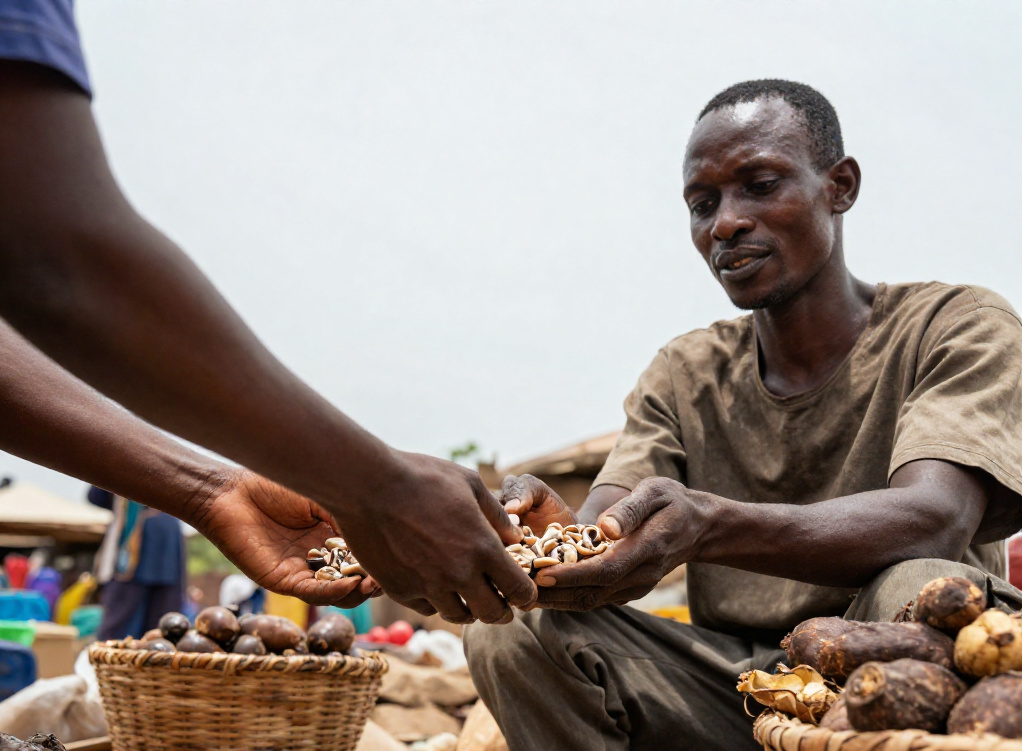
Cowries became deeply embedded in trans-Saharan and regional trade networks. Merchants carried them across deserts, forests, and rivers, linking distant communities through commerce. In West Africa, for example, cowries were used to purchase goods such as textiles, grains, livestock, and even land.

lowangle-african-market-

As trade routes expanded, so did the influence of cowries. They became a shared economic language between different cultures and regions. Whether in bustling markets or quiet villages, cowries facilitated transactions and helped standardize trade practices.

Symbol of Wealth and Status

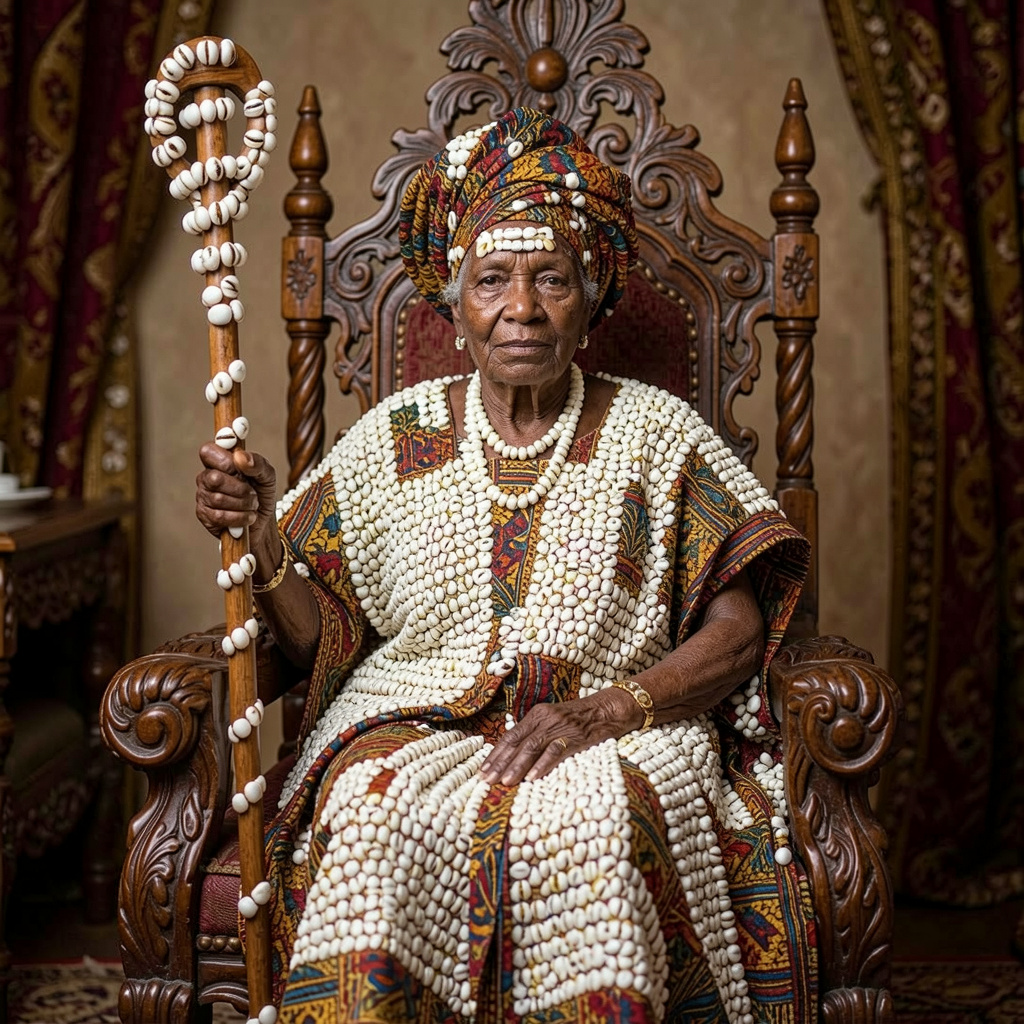
Beyond their economic role, cowries carried social and cultural meaning. Wealth was often measured in the number of cowries a person possessed. They were used in dowries, religious ceremonies, and as symbols of prosperity and fertility.

elderly-yoruba-royal-lady

In many societies, cowries were woven into clothing, jewelry, and ceremonial objects. Their presence signaled not just wealth, but also identity and cultural pride. Owning cowries was both a practical and symbolic form of power.

A Flexible and Inclusive System

One of the strengths of cowrie-based currency was its flexibility. Transactions could be made in small or large quantities, making it accessible to people at all levels of society. Unlike rigid monetary systems, cowries allowed for negotiation and adaptation, fitting naturally into local economies.

This inclusiveness helped sustain their use for centuries. From farmers and artisans to traders and rulers, cowries served as a unifying economic tool.

The Decline of Cowrie Currency

The use of cowries as currency began to decline with the arrival of European colonial powers. New monetary systems, backed by colonial governments, gradually replaced traditional forms of trade. Coins and paper money became standardized, and cowries lost their official economic role.

However, their legacy did not disappear. In many places, cowries remain important cultural symbols, still used in art, fashion, and spiritual practices.

A Lasting Legacy

Cowries tell a story of innovation, adaptation, and connection. They remind us that value is not always defined by metal or paper, but by trust, utility, and shared belief. For generations, these small shells powered economies and connected people across vast landscapes.

Today, they stand as a quiet testament to Africa’s rich history of trade and cultural ingenuity.