
The rise of the mali empire

The Rise of the Mali Empire: How Gold, Strategy, and Vision Built a West African Giant

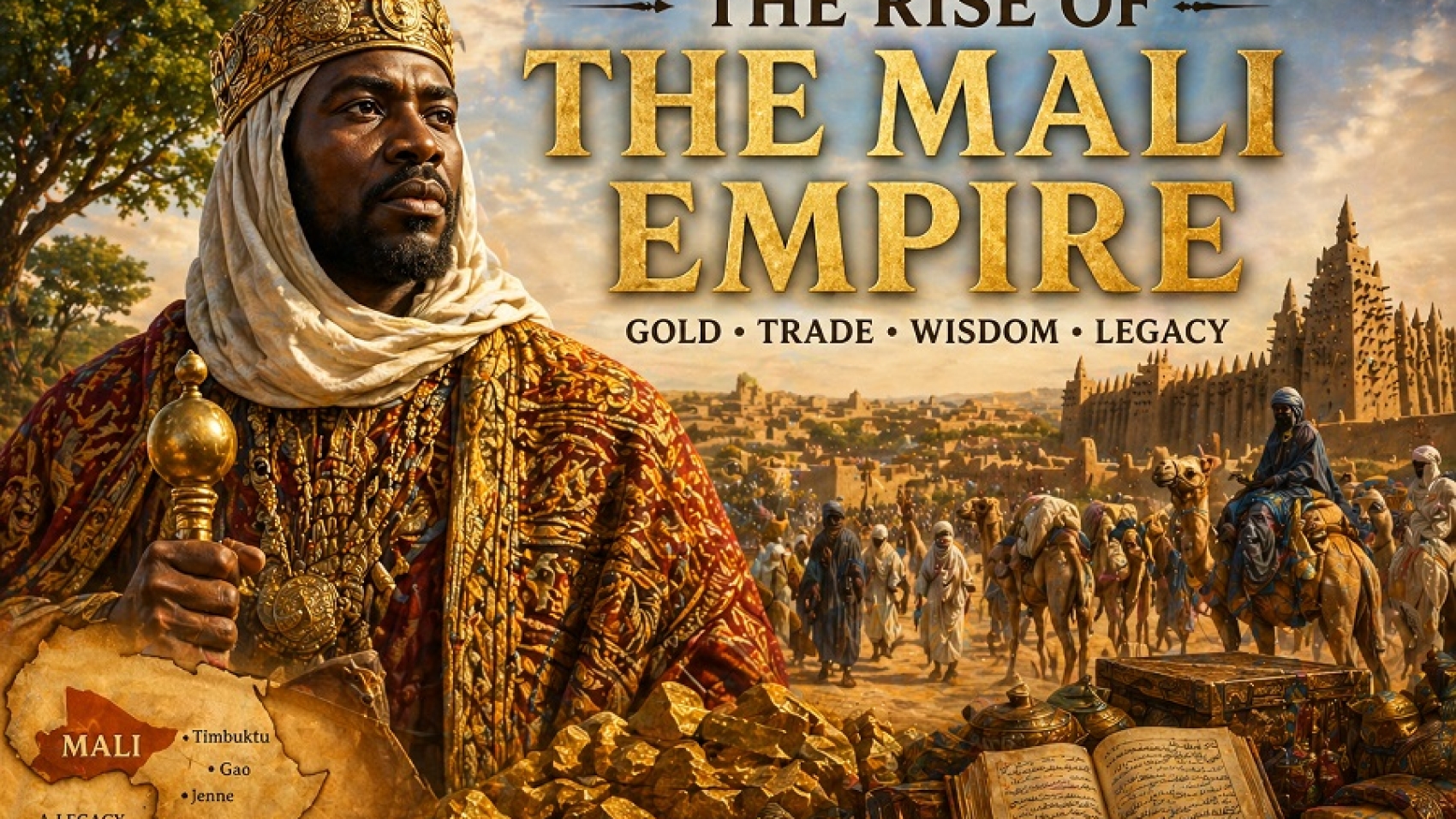
The story of the Mali Empire is not just history—it’s a thunderclap across time. Rising from the savannas of West Africa in the 13th century, Mali became one of the most powerful and wealthy empires the world had ever seen. Built on gold, strengthened by trade, and guided by visionary leadership, its ascent reshaped African and global history.

The Fall of Ghana and the Seeds of Mali

Before Mali rose, the region was dominated by the Ghana Empire. But by the early 1200s, Ghana had weakened due to internal strife and external pressures. This power vacuum created fertile ground for a new force to emerge.

Small Mandinka kingdoms began to stir, like embers waiting for a spark. That spark came in the form of a determined leader who would change everything.

Sundiata Keita: The Lion King of Mali
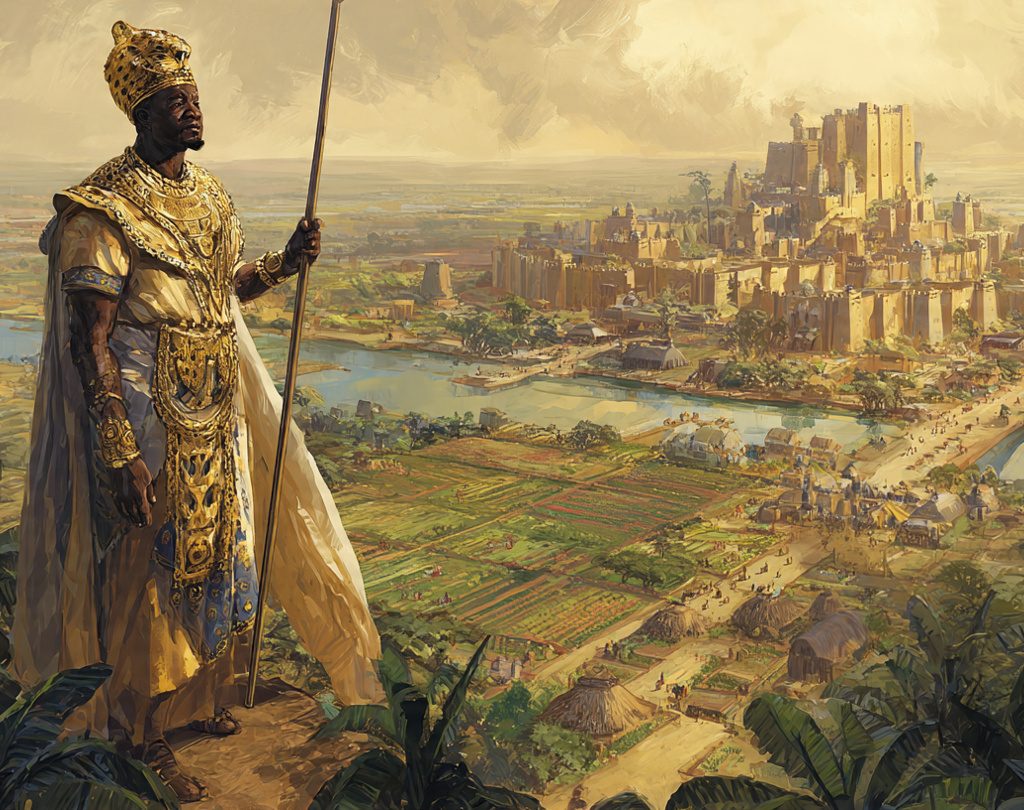
At the heart of Mali’s rise stands Sundiata Keita, a figure wrapped in legend and history. Once an exiled prince, Sundiata returned to reclaim his destiny and unite the Mandinka people.

His defining moment came at the Battle of Kirina around 1235, where he defeated the powerful Sosso king, Sumanguru Kanté. This victory didn’t just win a war; it birthed an empire.

Sundiata then established a centralized government, promoted agriculture, and laid the foundation for a stable and prosperous state. His leadership turned scattered territories into a unified force.

Gold: The Empire’s Beating Heart
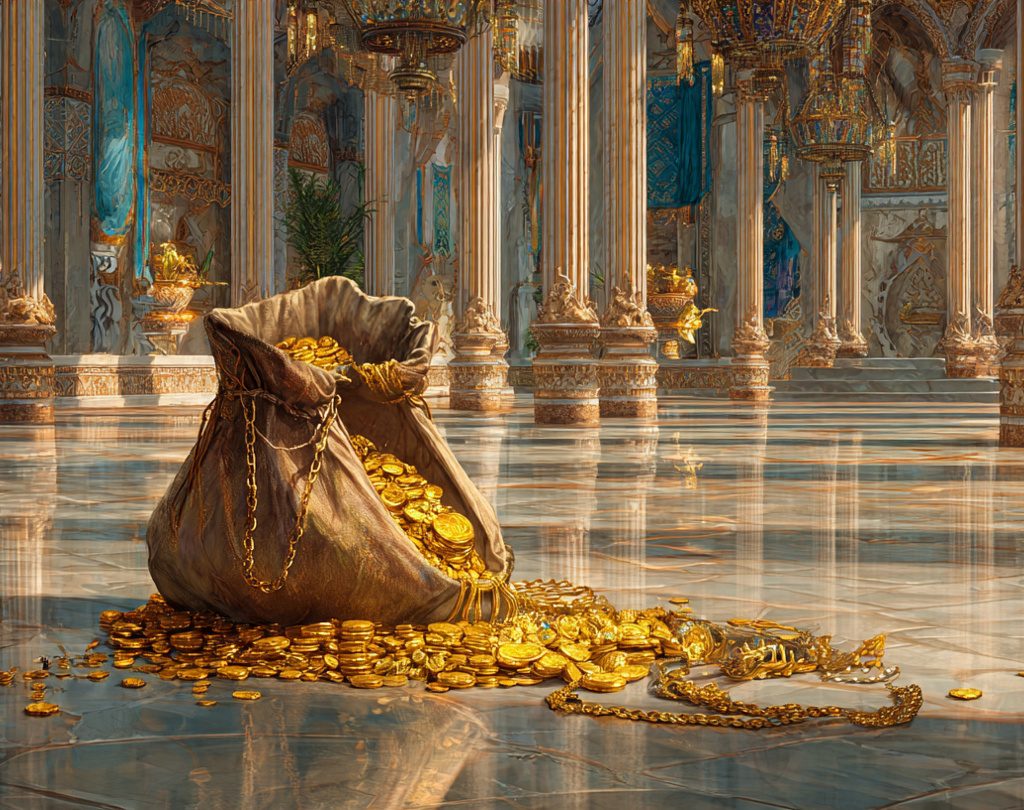
landscape-illustration-of-an-open-ornate-bag-of-go

If Mali had a heartbeat, it pulsed with gold.

The empire controlled some of the richest gold mines in the world, particularly in regions like Bambuk and Bure. At a time when gold was the backbone of global trade, Mali became a magnet for merchants from North Africa and beyond.

Gold flowed out. Wealth flowed in.

But Mali wasn’t reckless. The rulers carefully regulated gold supply, maintaining its value and ensuring long-term prosperity.

Trade Routes and Economic Power

Mali’s strategic location gave it control over major trans-Saharan trade routes. Caravans loaded with salt, gold, ivory, and textiles crossed vast deserts, linking West Africa to the Mediterranean and the Middle East.

Cities like Timbuktu and Gao blossomed into bustling centers of commerce and learning. These weren’t just markets—they were melting pots of culture, ideas, and innovation.

Mansa Musa: The Emperor Who Amazed the World
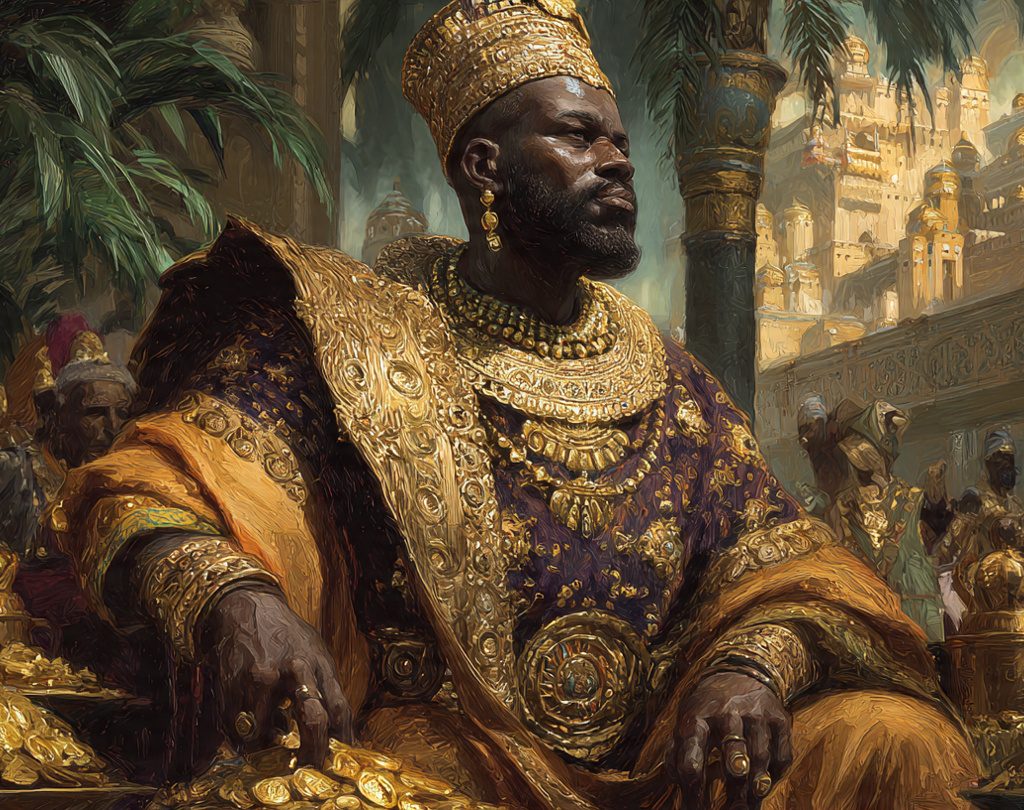
landscape-illustration-of-mansa-musa-the-wealthies

No discussion of Mali’s rise is complete without Mansa Musa, arguably the richest man in history.

His famous pilgrimage to Mecca in 1324 turned heads across continents. Traveling with a caravan of thousands and distributing gold generously along the way, he unintentionally caused inflation in regions like Egypt.

But Musa’s legacy goes beyond wealth. He invested heavily in education, architecture, and religion. Under his rule, Timbuktu became a renowned center of Islamic scholarship, attracting scholars from across the world.

Governance and Stability

Mali’s success wasn’t just luck or resources—it was structure.

The empire was divided into provinces, each governed by appointed officials who reported to the emperor. This system ensured order across vast territories.

Local leaders retained some authority, creating a balance between central control and regional autonomy. It was governance with both backbone and flexibility.

Cultural and Intellectual Flourishing
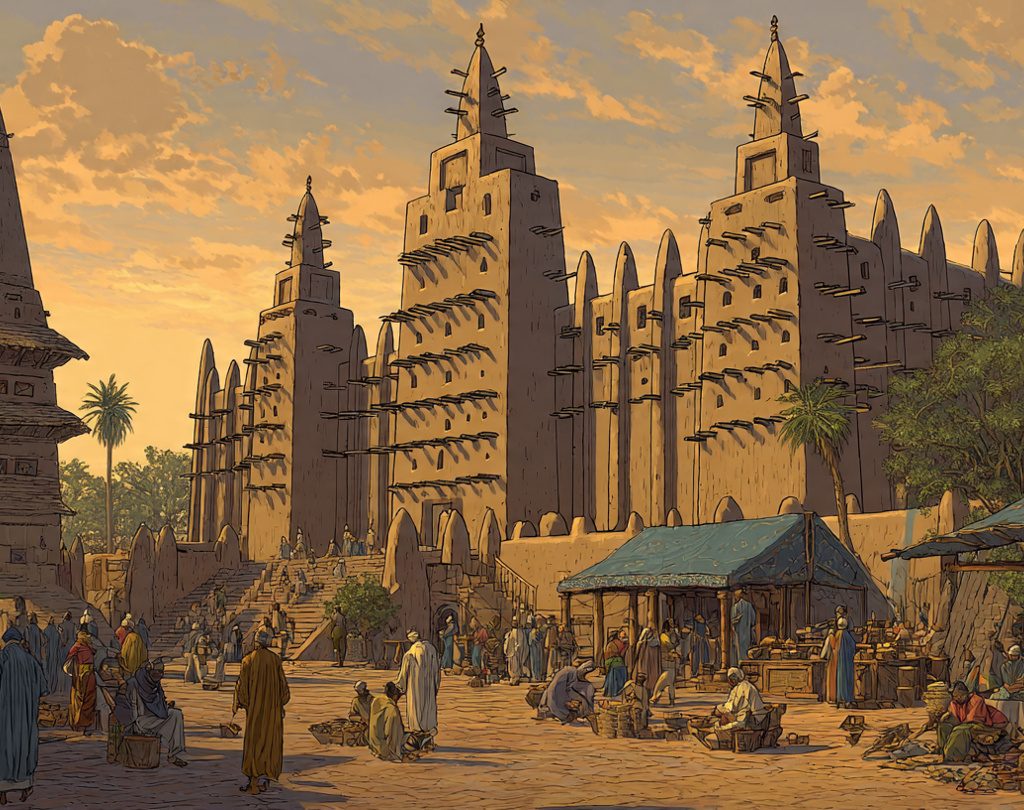
landscape-illustration-of-timbuktus-sankore-univer

As Mali grew richer, it also grew wiser.

Islam played a significant role in shaping the empire’s culture, especially among the elite. Mosques, libraries, and universities flourished. Timbuktu’s Sankore University became one of the most respected centers of learning in the medieval world.

Scholars studied law, astronomy, mathematics, and literature—turning Mali into a beacon of knowledge.

The rise of the Mali Empire is a story of transformation—of how leadership, resources, and strategic thinking can turn a fragmented region into a global powerhouse.

From Sundiata’s resilience to Mansa Musa’s dazzling influence, Mali didn’t just rise—it roared. Its legacy still echoes today, reminding the world that Africa has long been a cradle of power, wealth, and wisdom.
615786512_122258627894189242_4890989863052665556_n

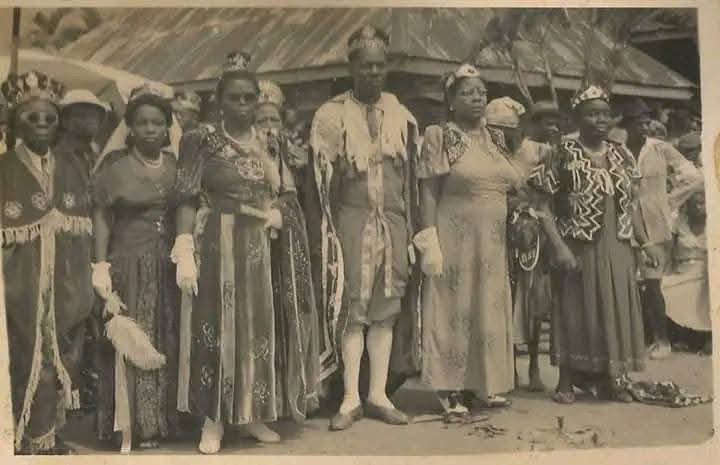
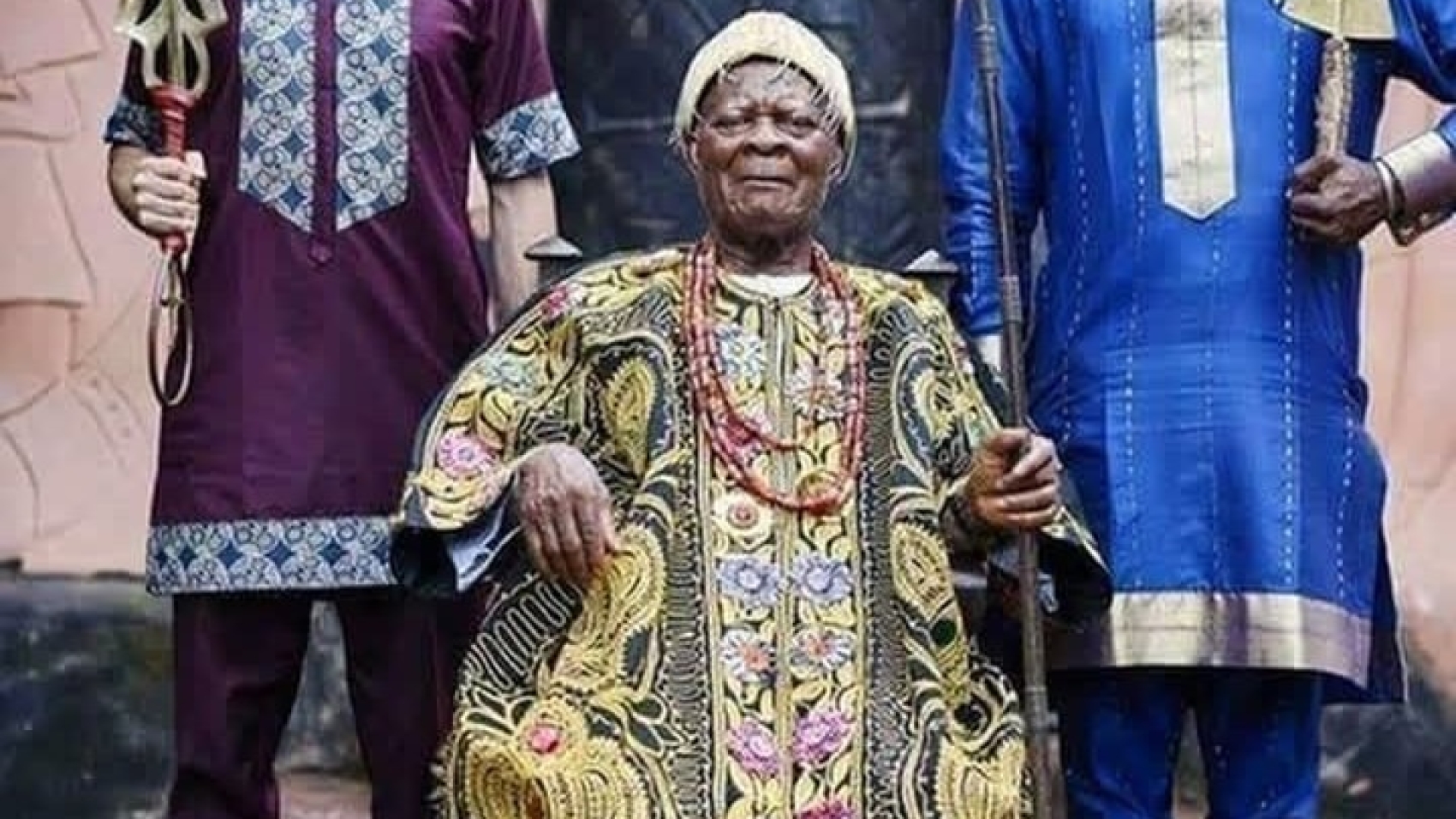
Igwe Kenneth Onyeneke Orizu III, the traditional ruler of the Nnewi Kingdom

The image features Igwe Kenneth Onyeneke Orizu III, the traditional ruler of the Nnewi Kingdom in Anambra State, Nigeria. The moment captures him with two individuals, possibly during a cultural event or celebration.

Igwe Orizu III is the 20th monarch of the Nnewi Kingdom.
He is one of the longest-reigning monarchs in the world, having ascended to the throne in the early 1960s.
The title “Igwe” is a royal title used to address traditional rulers in Igboland, meaning “Sky”.
Nnewi is a major commercial and industrial city in southeastern Nigeria, often nicknamed the “Japan of Africa”

Source: Historical Nigeria

643806139_755305577659429_5807341306159827381_n

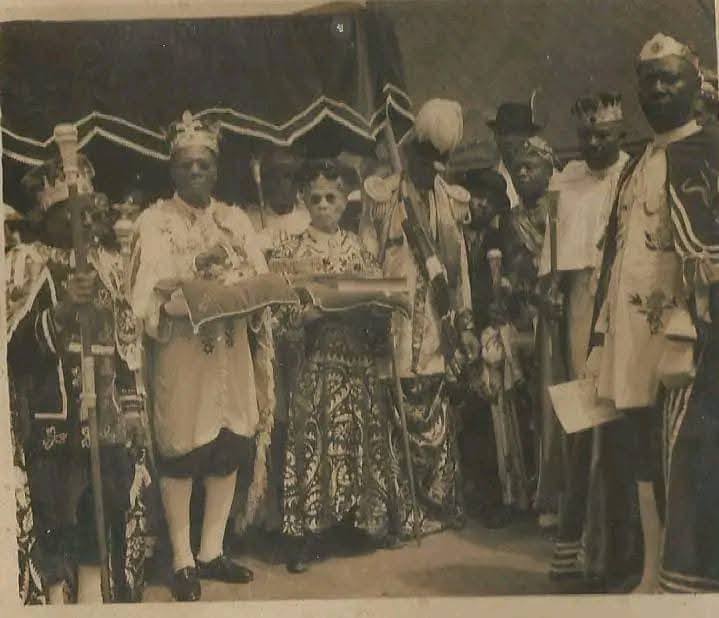
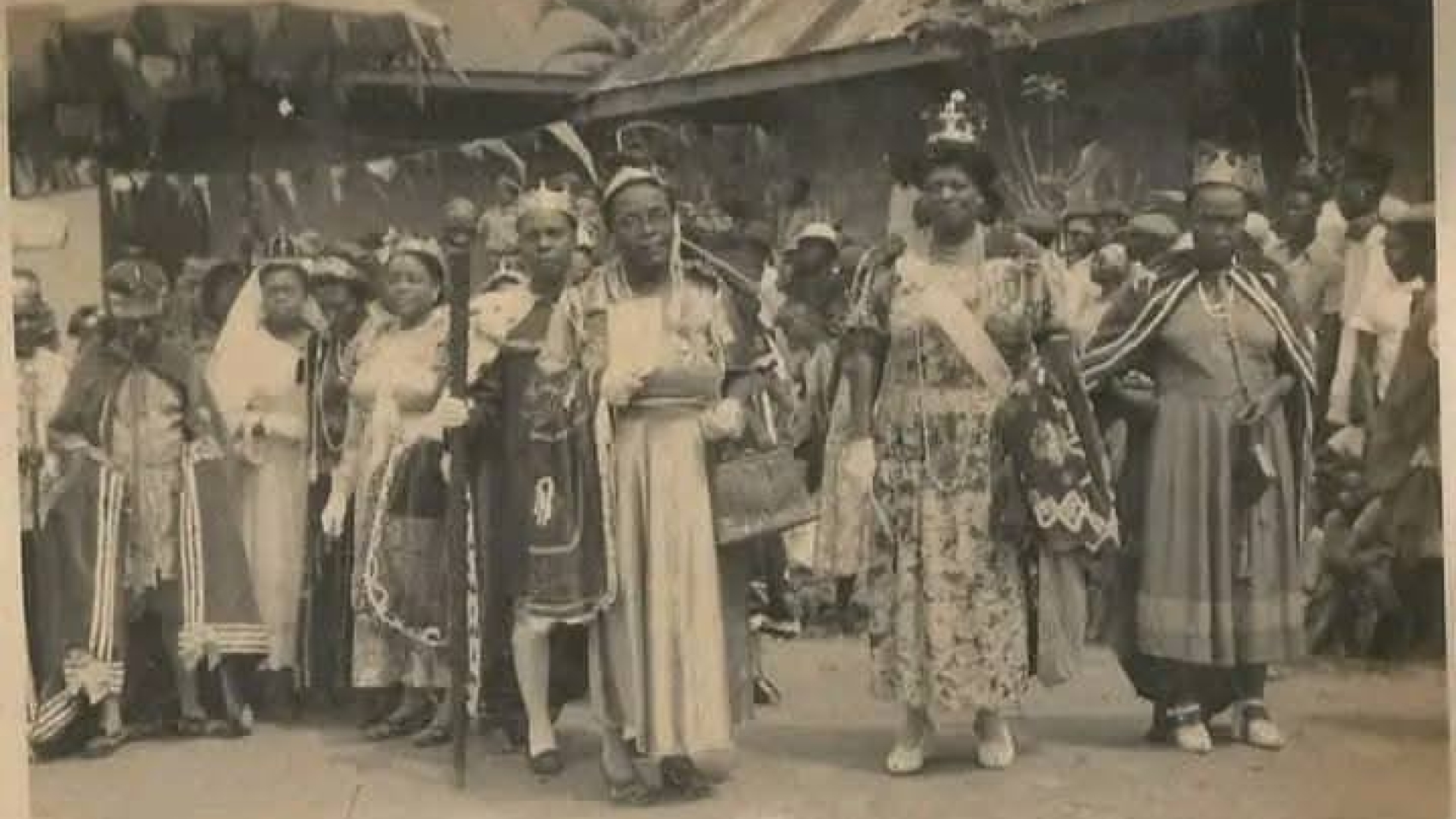
The Story of Edidem Edem Asibong Ekpo Effiom Okoho (Archibong V), Obong of Calabar

Edidem Edem Asibong Ekpo Effiom Okoho, also known as Archibong V, was the Obong of Calabar from 1948 to 1961. According to Chief Orok-Orok Effiom Duke’s book, “20th Century Famous Kings and Eminent Persons of Calabar”, he’s one of the longest-serving rulers in Efik history.

Born around 1872, Archibong V was the 55th Edidem of the Efiks and the 18th Obong of Calabar. He was the fifth son of King Archibong III, who was the first Efik monarch to have a Westminster-style coronation.

Before becoming Obong, Archibong V was Etubom of Archibong House and a Native Court Warrant Chief. He played a key role in reuniting the Efik Kingdom, which included Creek Town, Duke Town, Old Town, Henshaw Town, and Cobham Town.

His coronation in 1950 marked a new era for the Efiks, nullifying the colonial Native Rule Proclamation of 1902. He was a strong supporter of the COR movement for self-determination, which put him at odds with the NCNC government.

Archibong V’s reign was notable for Queen Elizabeth II’s visit to Calabar in 1956. Despite his contributions, he was denied national honors by the government, which was awarded posthumously in 1964.

Rewritten by Efik Heritage Foundation

Source: “20th Century Famous Kings and Eminent Persons of Calabar” by Chief Orok-Orok Effiom Duke, as shared by Richard Duke.

Why Cowries Were Once Currency in Africa

Why Cowries Were Once Currency in Africa

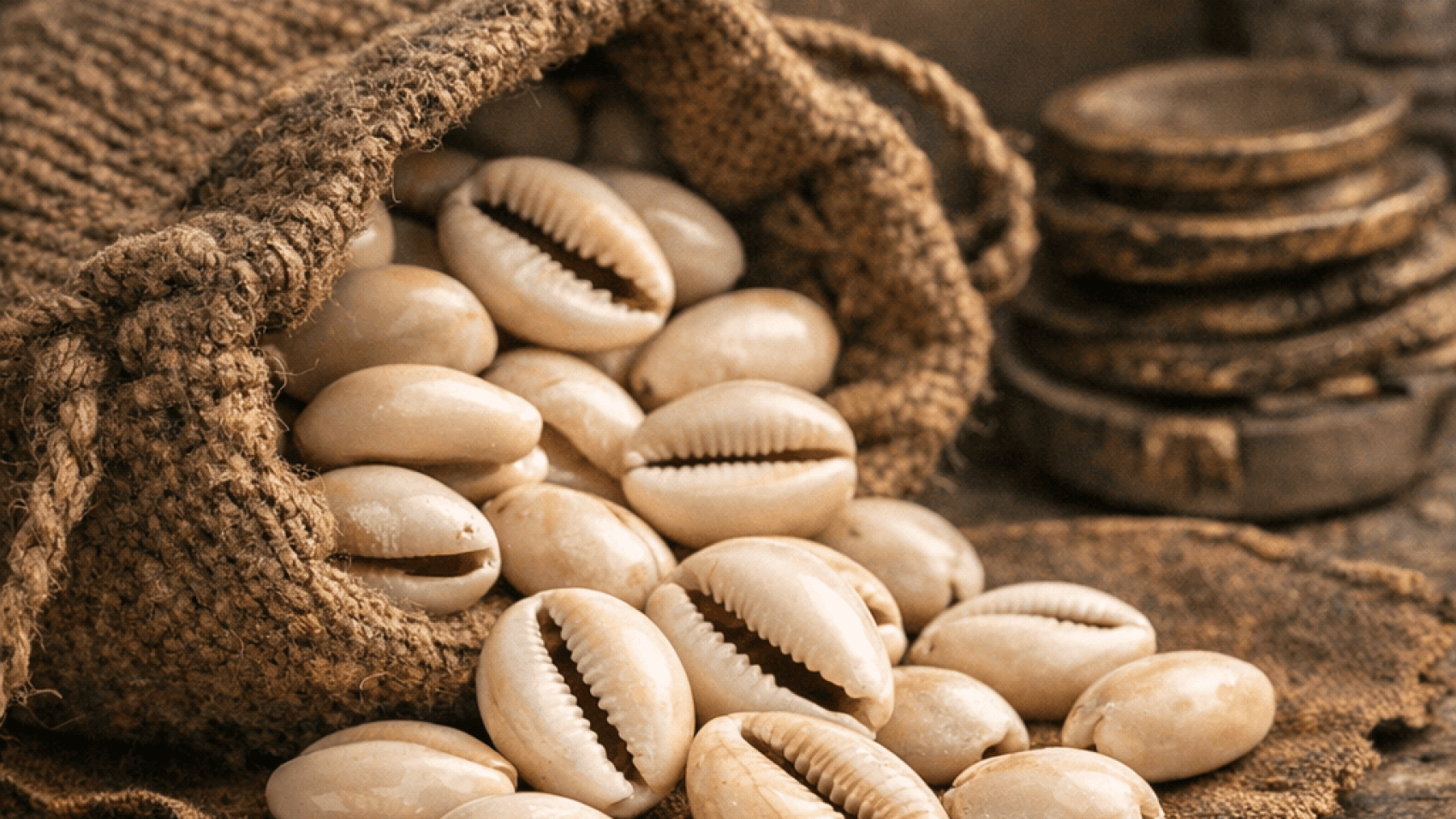
Long before paper money and digital wallets, trade across many parts of Africa was powered by something small, smooth, and surprisingly powerful: the cowrie shell. These glossy shells, often gathered from the Indian Ocean, were more than decorative objects. For centuries, they functioned as a widely accepted form of currency, shaping economies, influencing social systems, and traveling vast distances across the continent.

A Natural Currency with Unique Advantages

Cowries were not chosen by chance. Their physical qualities made them ideal for trade. They were durable, lightweight, and difficult to counterfeit. Unlike metal coins that could be melted or altered, cowries maintained their form over time. Their uniform size also made counting easier, allowing traders to measure value with relative consistency.

Another key factor was their scarcity in many inland regions. While cowries originated from coastal waters, particularly around the Maldives, they had to be transported over long distances into the African interior. This limited supply increased their value, making them a trusted medium of exchange.

Trade Networks and Economic Expansion

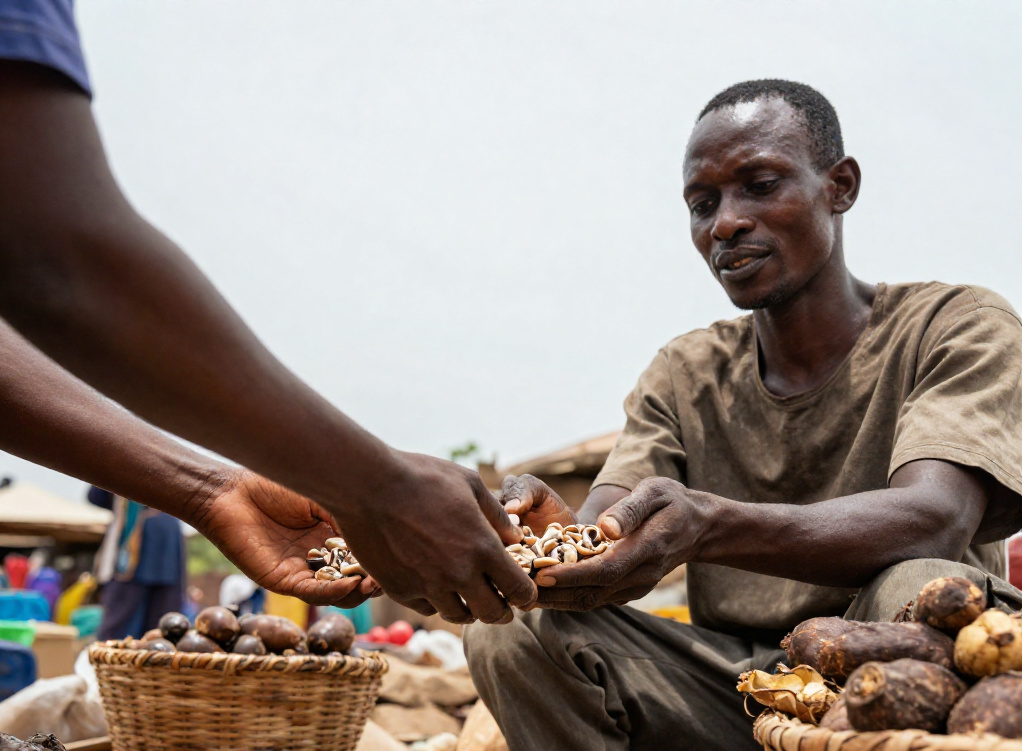
Cowries became deeply embedded in trans-Saharan and regional trade networks. Merchants carried them across deserts, forests, and rivers, linking distant communities through commerce. In West Africa, for example, cowries were used to purchase goods such as textiles, grains, livestock, and even land.

lowangle-african-market-

As trade routes expanded, so did the influence of cowries. They became a shared economic language between different cultures and regions. Whether in bustling markets or quiet villages, cowries facilitated transactions and helped standardize trade practices.

Symbol of Wealth and Status

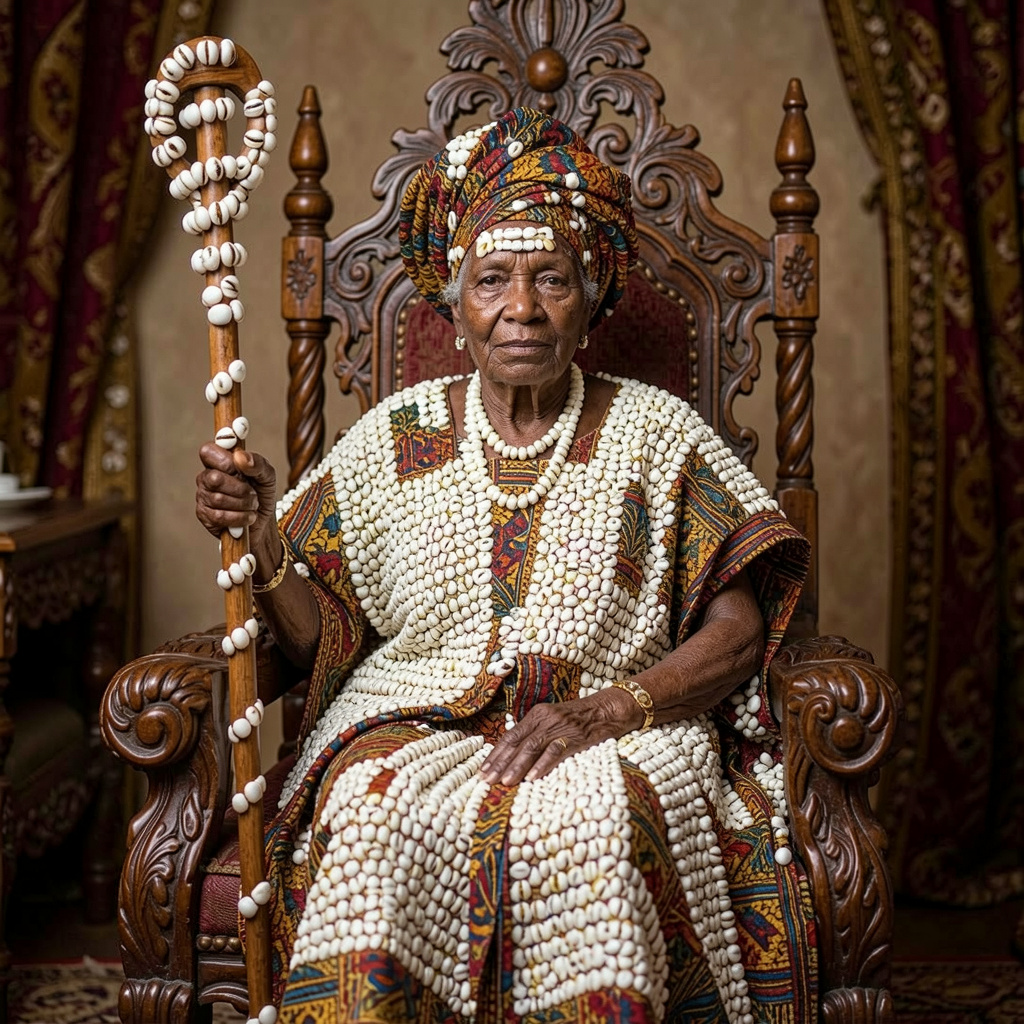
Beyond their economic role, cowries carried social and cultural meaning. Wealth was often measured in the number of cowries a person possessed. They were used in dowries, religious ceremonies, and as symbols of prosperity and fertility.

elderly-yoruba-royal-lady

In many societies, cowries were woven into clothing, jewelry, and ceremonial objects. Their presence signaled not just wealth, but also identity and cultural pride. Owning cowries was both a practical and symbolic form of power.

A Flexible and Inclusive System

One of the strengths of cowrie-based currency was its flexibility. Transactions could be made in small or large quantities, making it accessible to people at all levels of society. Unlike rigid monetary systems, cowries allowed for negotiation and adaptation, fitting naturally into local economies.

This inclusiveness helped sustain their use for centuries. From farmers and artisans to traders and rulers, cowries served as a unifying economic tool.

The Decline of Cowrie Currency

The use of cowries as currency began to decline with the arrival of European colonial powers. New monetary systems, backed by colonial governments, gradually replaced traditional forms of trade. Coins and paper money became standardized, and cowries lost their official economic role.

However, their legacy did not disappear. In many places, cowries remain important cultural symbols, still used in art, fashion, and spiritual practices.

A Lasting Legacy

Cowries tell a story of innovation, adaptation, and connection. They remind us that value is not always defined by metal or paper, but by trust, utility, and shared belief. For generations, these small shells powered economies and connected people across vast landscapes.

Today, they stand as a quiet testament to Africa’s rich history of trade and cultural ingenuity.