

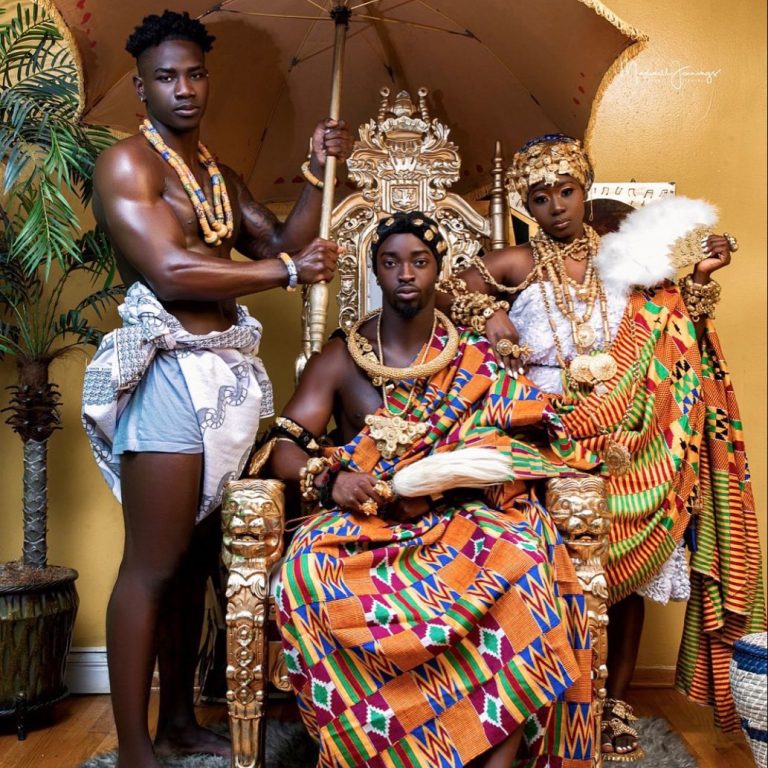
African traditional outfits are not just garments—they’re living stories stitched in color, identity woven into fabric, and heritage draped with pride. Across the continent, every fold, pattern, and thread carries meaning, reflecting history, status, and celebration.
From regal robes to intricately wrapped textiles, here are ten stunning African traditional outfits that continue to captivate the world.
1. Agbada (Nigeria)
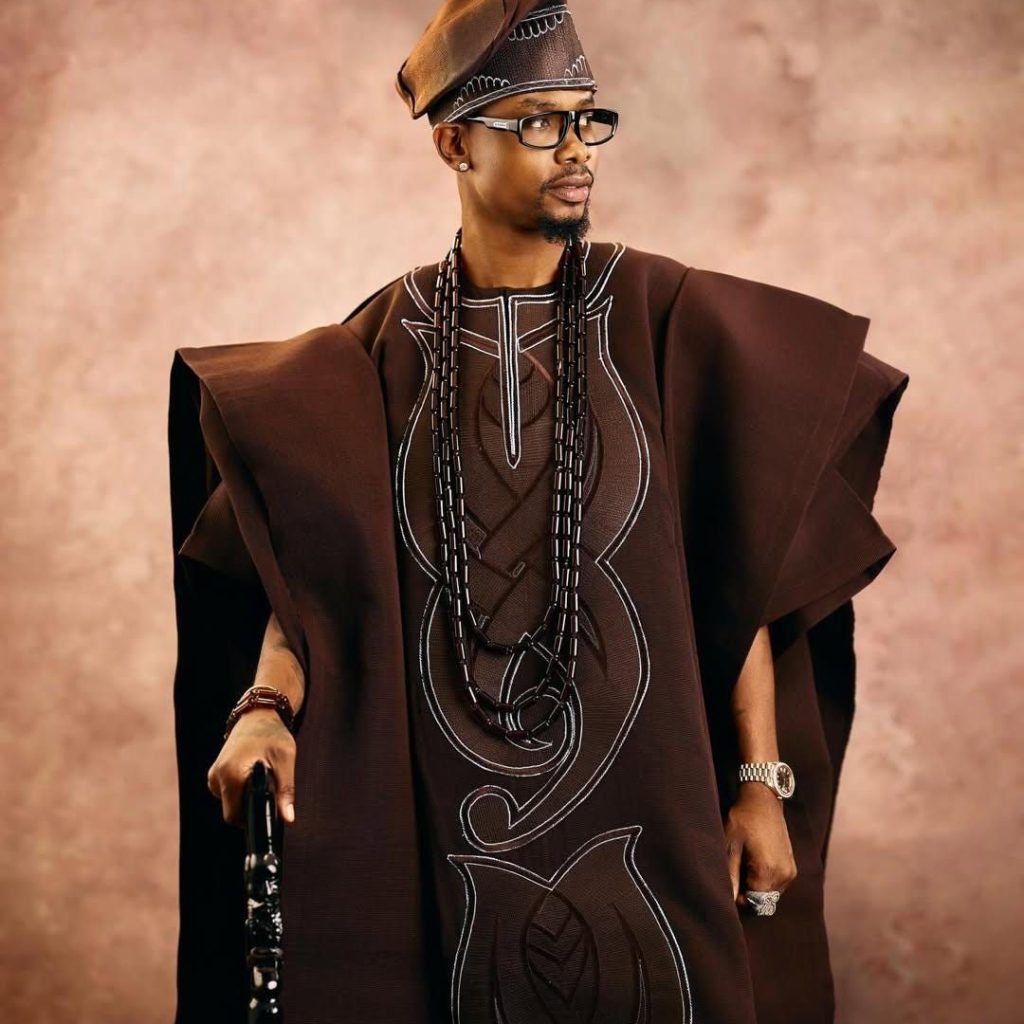
Flowing like a royal breeze, Agbada is a wide-sleeved robe worn by men, especially among the Yoruba people. Often crafted from richly embroidered fabric, it symbolizes prestige and authority.
Worn at weddings, festivals, and ceremonies, Agbada turns any man into a walking monument of culture.
2. Ankara (West Africa)
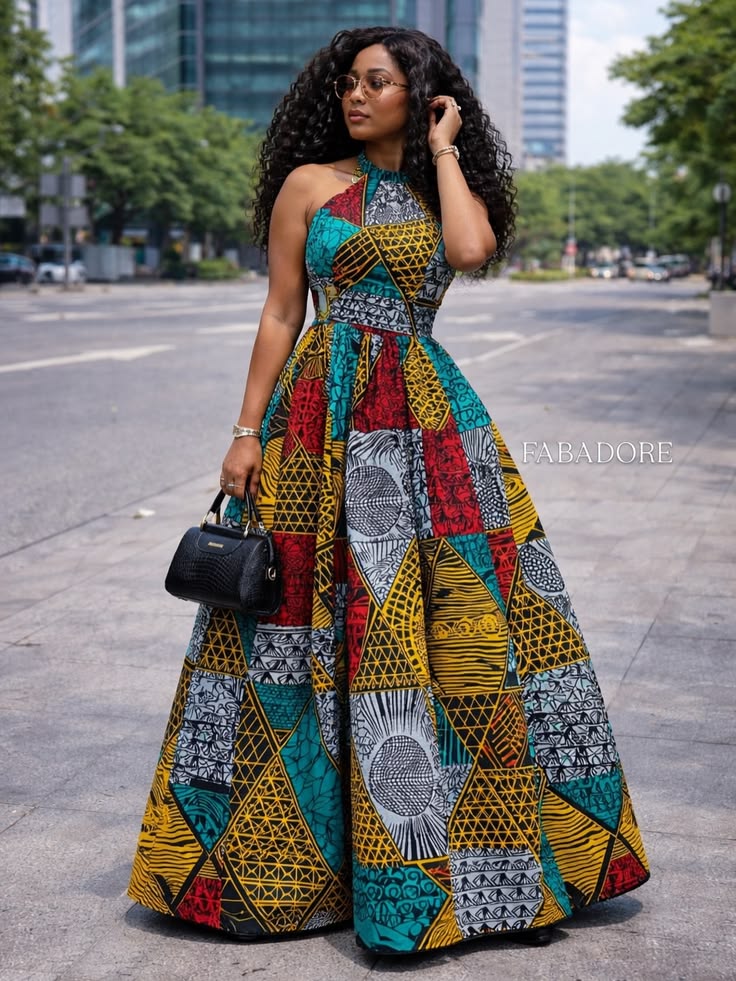
Ankara is the heartbeat of modern African fashion. Known for its bold prints and vibrant colors, this cotton fabric is transformed into dresses, suits, skirts, and more.
It’s versatile, expressive, and constantly evolving—like a canvas where tradition meets trend.
3. Kente (Ghana)
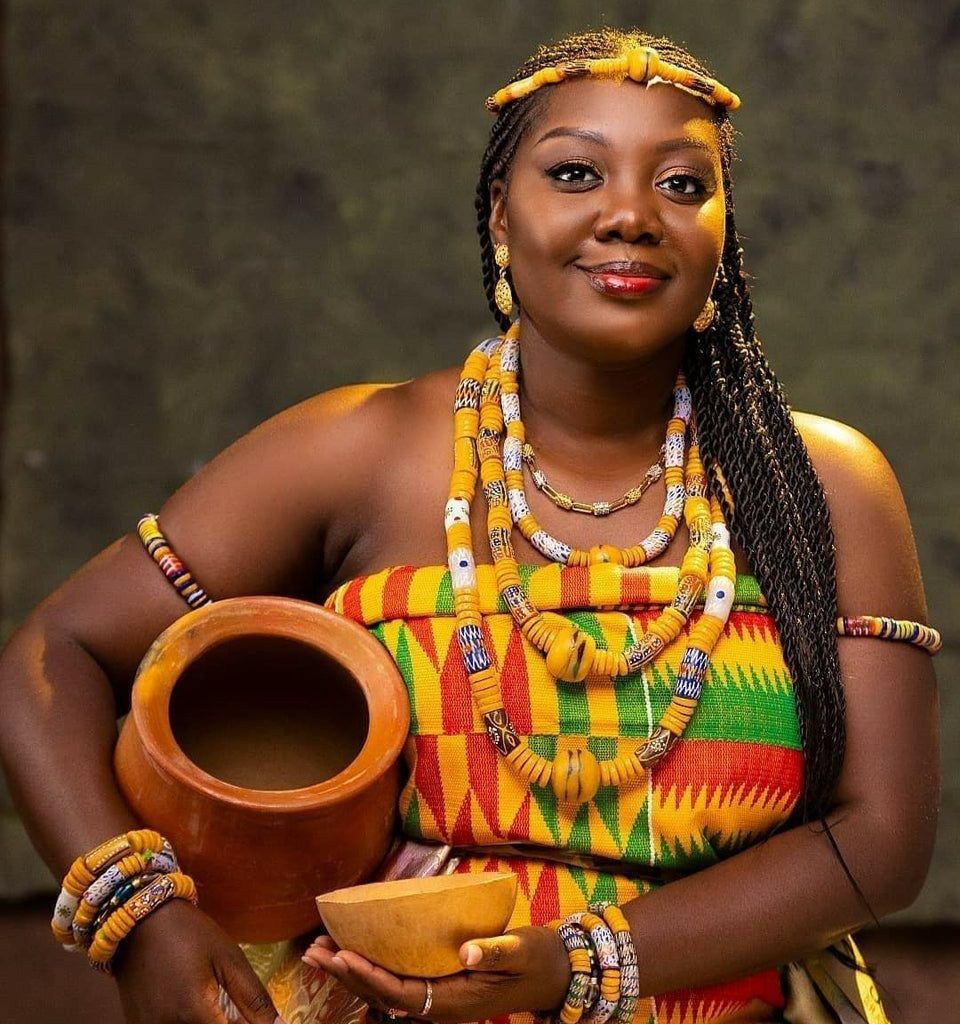
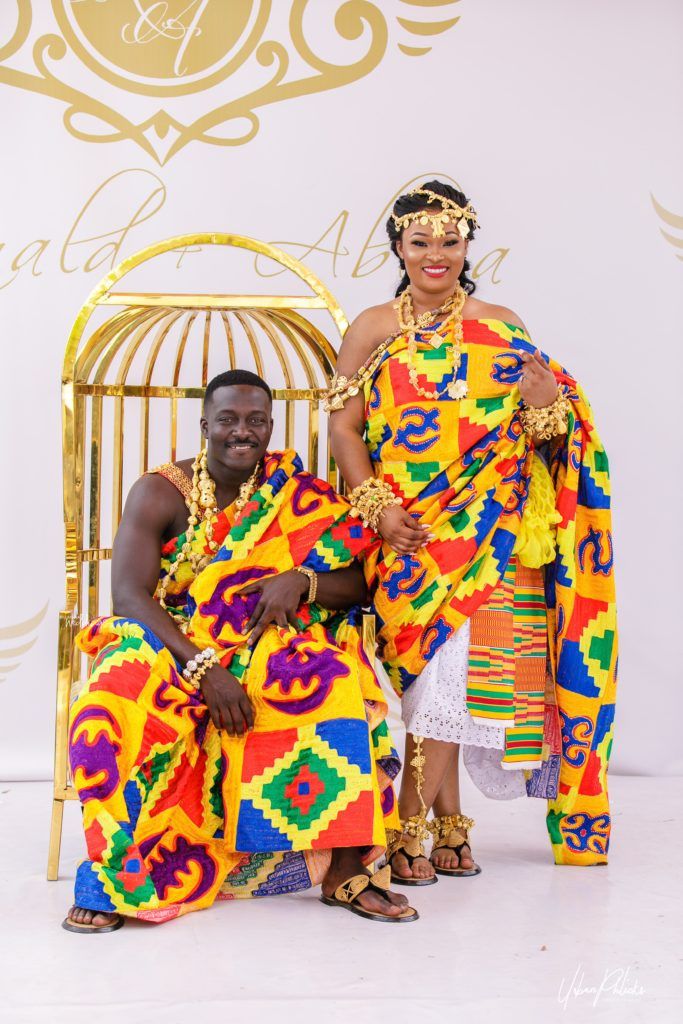
Kente cloth is more than fashion—it’s philosophy in fabric. Originating from the Ashanti people, each pattern and color carries symbolic meaning.
Traditionally worn by royalty, Kente is now a powerful emblem of African identity and pride across the diaspora.
4. Dashiki (West Africa)
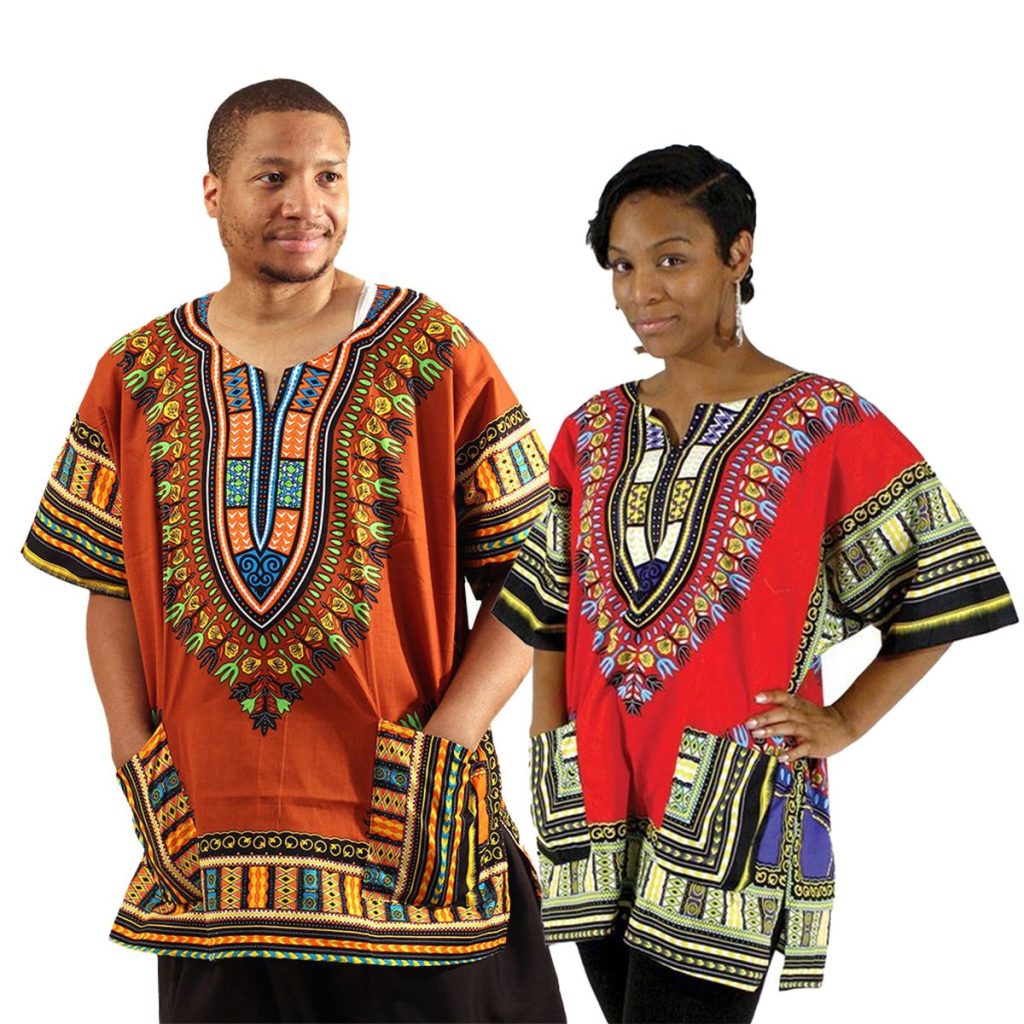
The Dashiki is instantly recognizable with its loose fit and ornate embroidery around the neckline. Popular across West Africa and globally, it represents cultural pride and resistance.
It’s casual, bold, and effortlessly stylish.
5. Boubou (Senegal and West Africa)
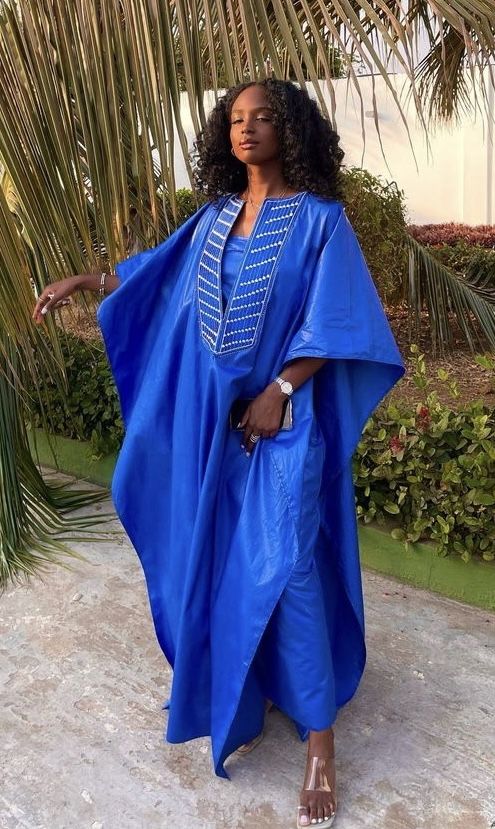
Graceful and expansive, the Boubou is worn by both men and women. It features a long flowing gown paired with trousers or a wrapper.
Often made from luxurious fabrics, it embodies elegance and comfort in one majestic sweep.
6. Shweshwe (South Africa)
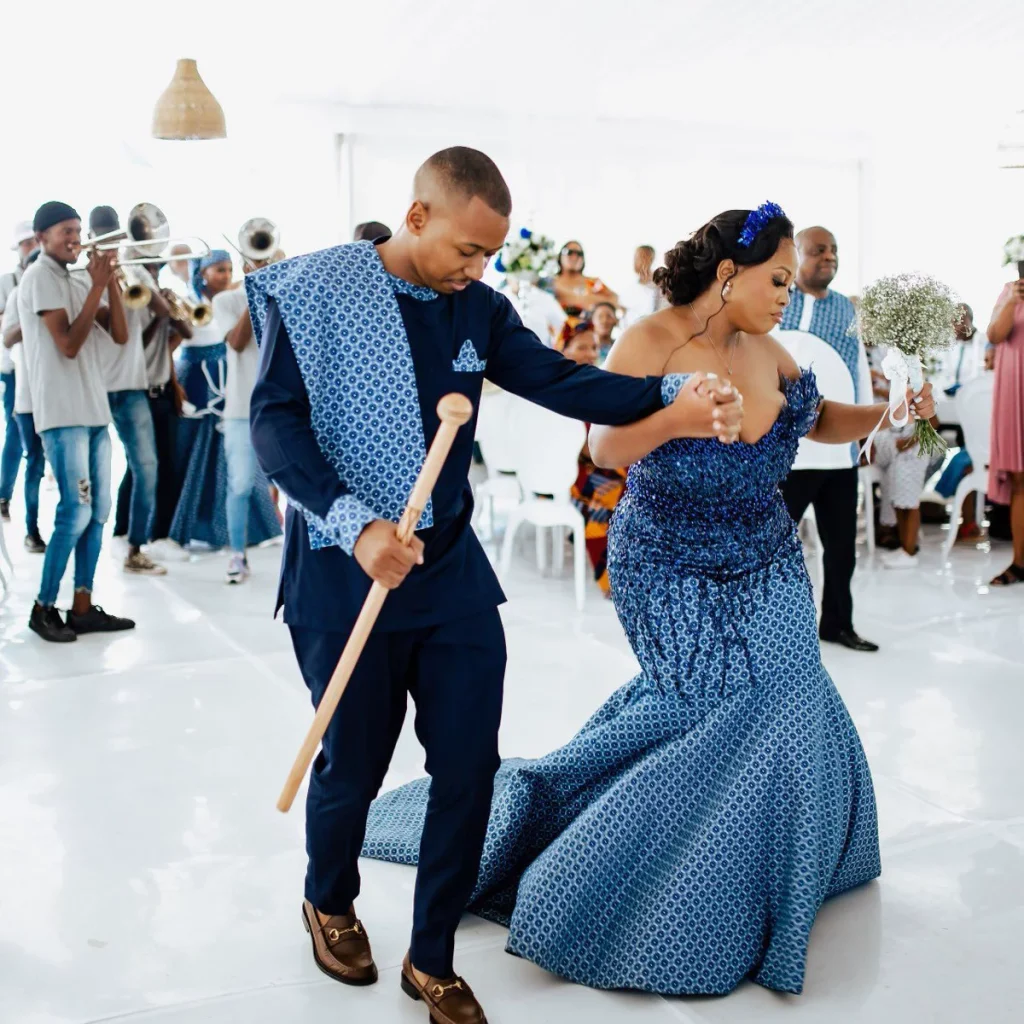
Shweshwe fabric, known for its intricate geometric patterns, is deeply rooted in South African culture.
Commonly worn by Xhosa and Sotho women, it appears in dresses, skirts, and accessories—often in shades of indigo, brown, and red.
7. Isidwaba and Isicholo (Zulu, South Africa)
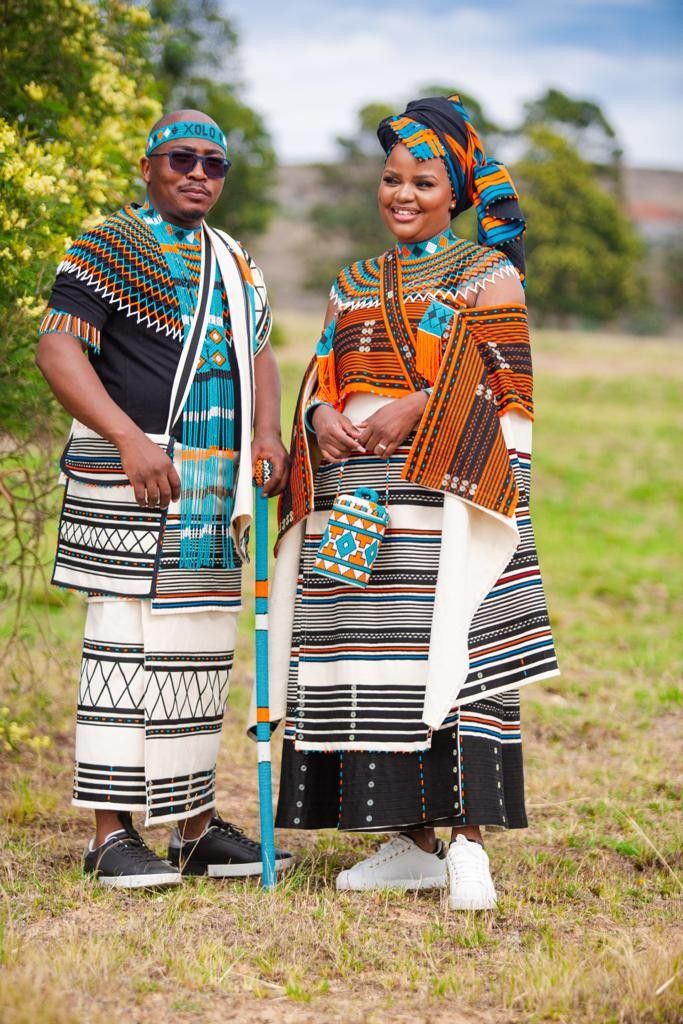
This traditional Zulu attire is rich in symbolism. The Isidwaba (leather skirt) and Isicholo (hat worn by married women) represent status, maturity, and cultural identity.
It’s not just clothing—it’s a declaration of life stage and heritage.
8. Kanzu (East Africa)
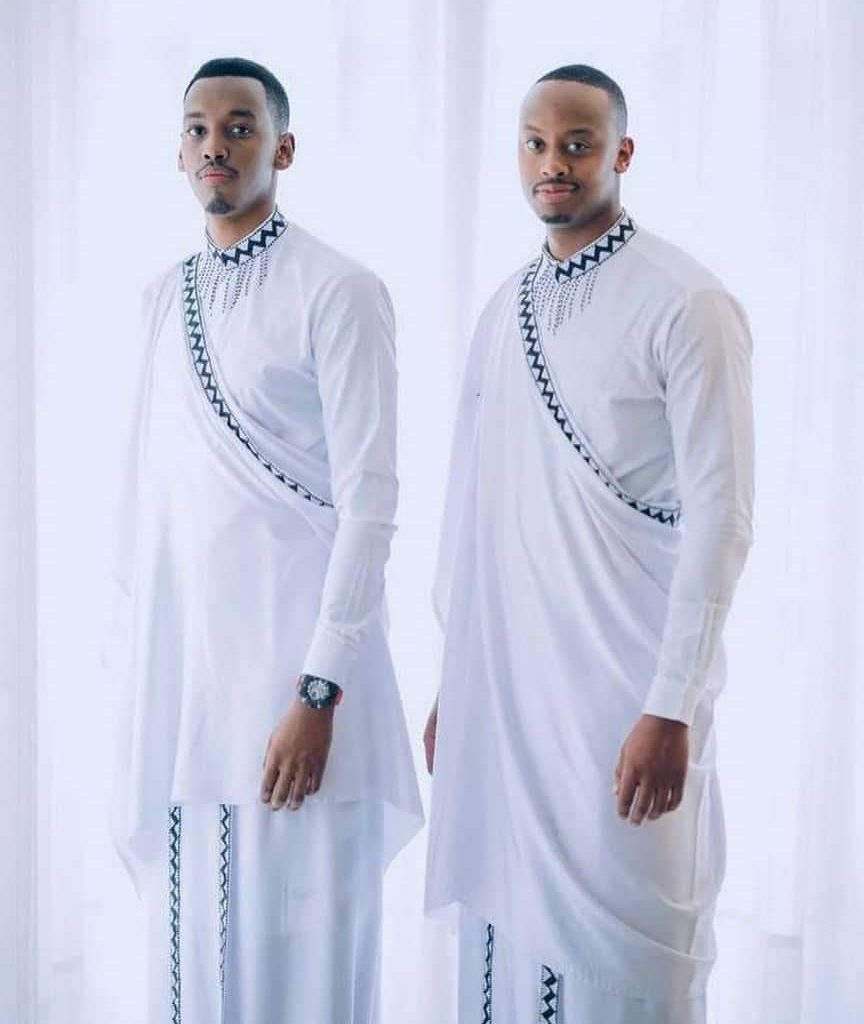
The Kanzu is a long white robe worn by men in countries like Uganda and Tanzania. Clean, simple, and dignified, it is often worn during religious and formal occasions.
Its elegance lies in its minimalism.
9. Dirac (Somalia)
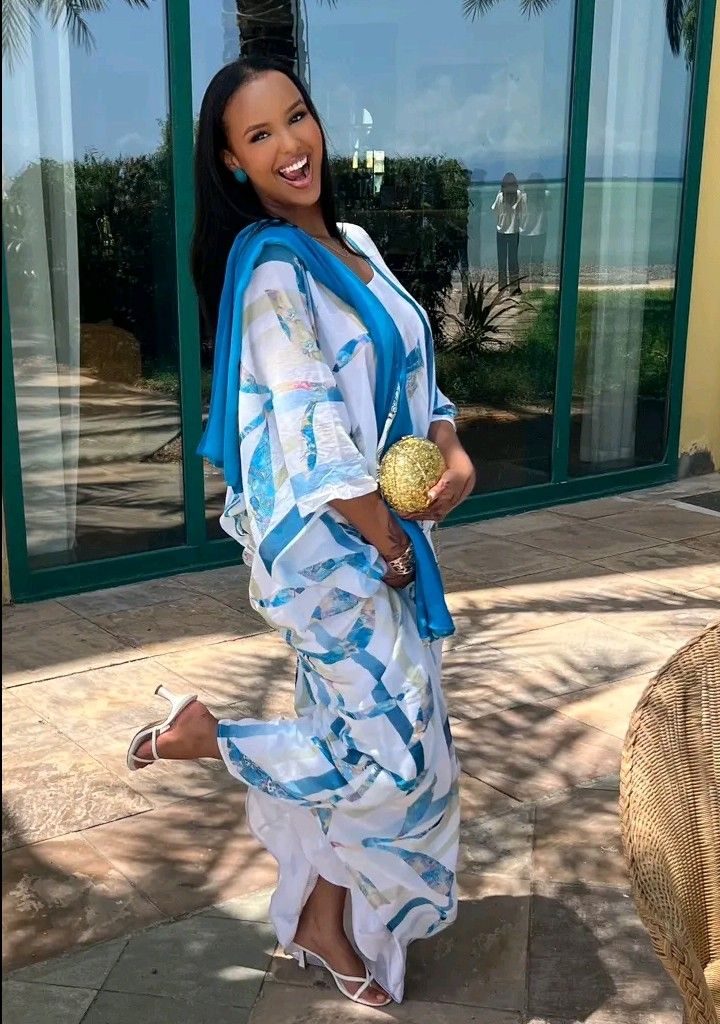
Light as air and radiant in color, the Dirac is a flowing dress worn by Somali women, often layered over a slip.
It’s commonly worn at weddings and celebrations, shimmering with grace and femininity.
10. Bogolanfini (Mali)
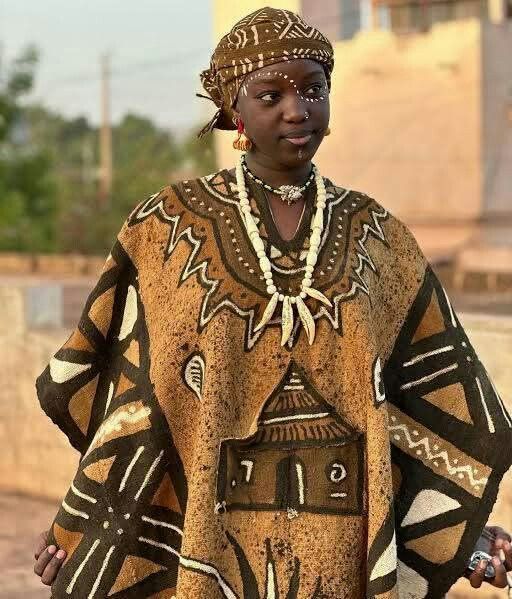
Also known as mud cloth, Bogolanfini is handmade using fermented mud to create symbolic patterns.
Each design tells a story—of status, events, or beliefs—making it one of Africa’s most meaningful textiles.
African traditional outfits are not frozen in time—they are alive, evolving, and influencing global fashion in powerful ways. Each piece carries identity, pride, and artistry, reminding the world that Africa is not just a place—it’s a style statement.
Whether worn in celebration or daily life, these outfits continue to bridge generations, telling stories that never fade.